
Cheap rental cars in Okinawa are at the lowest price starting from 1,500 yen. Rent-a-car Hiroba is recommended for reservations and comparisons.

Okinawa’s Hidden Gems: World Heritage Sites Off the Tourist Trail

25/12/2025

Are you tired of fighting through crowds just to snap a photo at popular tourist destinations? Okinawa—Japan’s tropical paradise—offers more than just pristine beaches and crystal-clear waters. While most visitors flock to the obvious attractions, a treasure trove of UNESCO World Heritage sites remains largely undiscovered by international travelers. These ancient ruins, sacred spaces, and majestic castles tell the fascinating story of the Ryukyu Kingdom, offering cultural immersion without the tourist hordes. Whether you’re a history enthusiast, a photographer seeking unspoiled landscapes, or simply a traveler looking to escape the beaten path, Okinawa’s hidden historical gems provide authentic experiences that most visitors miss. In this guide, I’ll share my personal journey exploring these remarkable sites, complete with practical tips on how to visit them, the best times to avoid what few crowds there are, and how to appreciate their cultural significance. Discover an Okinawa that exists beyond the postcards—a land where ancient history comes alive in spectacular settings that remain wonderfully uncrowded.

1. 5 Ancient Okinawan Ruins That Rival Machu Picchu in Beauty But Not in Crowds

While tourists flock to Machu Picchu by the thousands daily, Okinawa harbors ancient ruins of comparable historical significance that remain blissfully uncrowded. These five UNESCO-recognized sites showcase the rich cultural heritage of the Ryukyu Kingdom without the overwhelming tourist presence.

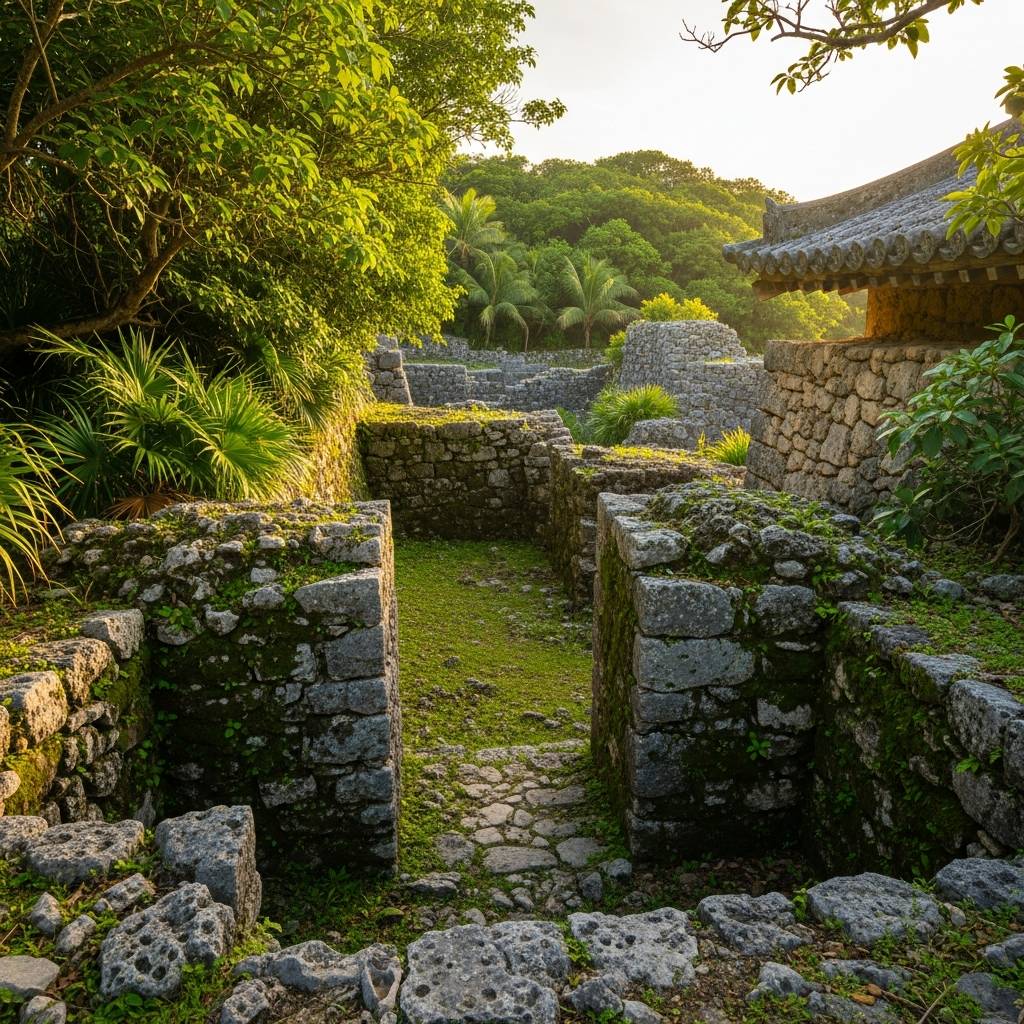
Nakijin Castle stands as a formidable stone fortress on a hill overlooking the East China Sea. Its massive limestone walls, some reaching six meters in height, bear witness to the sophisticated engineering of 13th-century Ryukyuan builders. The castle’s strategic location afforded its rulers control over northern Okinawa, with panoramic views that still impress visitors today.

Zakimi Castle, with its perfectly curved walls that have withstood centuries of typhoons, demonstrates the masterful stonework techniques unique to Okinawa. Unlike many crowded heritage sites worldwide, you can often explore these ancient fortifications in peaceful solitude, especially during weekday mornings.

The sacred site of Sefa-utaki represents the spiritual heart of traditional Okinawan religion. Hidden within a subtropical forest, this natural limestone formation served as the most important religious site of the Ryukyu Kingdom. Its secluded prayer spaces and natural stone altars create an atmosphere of mystery that mass tourism has yet to diminish.

Katsuren Castle, situated on a limestone ridge, offers breathtaking ocean views from all directions. Archaeological excavations here yielded Roman coins and Middle Eastern artifacts, evidence of the extensive maritime trade network the Ryukyu Kingdom maintained centuries ago.

Tamaudun Royal Mausoleum, the resting place of Ryukyuan kings and nobles, presents a solemn architectural masterpiece of coral limestone construction. Its three chambers, dedicated to different stages of the traditional burial process, provide insight into the kingdom’s complex funeral practices.

These magnificent sites maintain their authentic atmosphere largely because they require more effort to reach than Okinawa’s famous beaches. For history enthusiasts seeking cultural immersion without battling crowds, these ancient Ryukyuan ruins offer an experience that rivals—and in terms of serenity, surpasses—many of the world’s most famous archaeological sites.

2. The Secret Sacred Sites of Okinawa: How to Experience World Heritage Treasures Without Tourist Hordes

Okinawa’s cultural landscape is dotted with sacred sites known as “utaki” – mystical spaces that have served as spiritual centers for centuries. While Shuri Castle attracts crowds, the UNESCO World Heritage designated “Sacred Sites and Pilgrimage Routes in the Kii Mountain Range” offers a more intimate glimpse into Okinawan spirituality. These sites include the serene Seifa Utaki, considered the most sacred site in the traditional Ryukyuan religion, yet many visitors miss it entirely.

To experience these treasures authentically, timing is crucial. Visit Seifa Utaki before 9 AM or after 4 PM to avoid tour groups. The site’s stone pathways and natural formations create a powerful atmosphere, especially when you’re able to hear the rustling leaves and birdsong without distraction. Remember to remain on designated paths as these are still active religious sites deserving respect.

The Nakijin Castle ruins, another component of the heritage designation, offers breathtaking ocean views with significantly fewer visitors than its more famous counterparts. Visit on weekdays and explore the northern sections where most tour groups don’t venture. The ancient limestone walls tell stories of a kingdom that thrived through maritime trade.

For those seeking deeper connection, consider hiring a local cultural guide through the Okinawa Traditional Culture Experience Association. These guides provide context that transforms stone ruins into living history. They can explain the significance of sacred spaces like Sefa-utaki’s triangular “womb stone,” believed to be where the goddess Amamikyu descended to create the Ryukyu Islands.

Photography enthusiasts should note that some inner areas of these sacred sites prohibit photography out of respect for their spiritual significance. Instead, bring a journal to record your observations and feelings – often a more meaningful souvenir than digital images.

Access to these sites requires some planning. While rental cars offer flexibility, the local bus system can reach most heritage locations. The Okinawa Monorail combined with the #52 bus provides access to several northern heritage sites without battling traffic or parking challenges.

By venturing beyond the typical tourist itinerary to these sacred spaces, visitors gain insight into Okinawa’s unique cultural identity – one shaped by indigenous beliefs, Chinese influence, and geographical isolation. The reward is an authentic connection to Okinawan heritage that most travelers miss entirely.

3. Beyond the Beaches: Exploring Okinawa’s Forgotten Castles and Their Breathtaking Views

While Okinawa’s pristine beaches attract millions of visitors annually, the island’s true historical treasures lie inland among its ancient castles, or “gusuku.” These stone fortresses, several of which hold UNESCO World Heritage status, offer not only a glimpse into Okinawa’s rich past but also panoramic vistas that rival any beachfront scene. Beyond the well-known Shuri Castle, several lesser-visited fortresses provide authentic cultural experiences without the crowds. Nakagusuku Castle, with its perfectly preserved medieval stonework, offers unparalleled views across both the Pacific Ocean and the East China Sea. Katsuren Castle, perched dramatically on a limestone ridge, tells the fascinating story of a 15th-century lord who established trade with countries throughout Southeast Asia. The remote Zakimi Castle in Yomitan presents some of the finest examples of traditional Ryukyuan defensive architecture, with walls constructed using the distinctive “nozura-zumi” technique. For photography enthusiasts, these elevated castle grounds provide exceptional sunrise and sunset opportunities, with the warm light illuminating centuries-old stones against the backdrop of Okinawa’s lush landscape. Consider visiting during weekday mornings to experience these historical marvels in peaceful solitude, allowing the whispers of Ryukyu Kingdom’s past to transport you to an era when these fortresses stood as centers of political and spiritual power.

For rental car reservations in Okinawa, visit “RENT A CAR HIROBA”
Make the best memories of your trip at the rental car plaza!
Click here to reserve a rental car ↓
・Cheap rental cars in Okinawa are at the lowest price starting from 1,500 yen. Rent-a-car Hiroba is recommended for reservations and comparisons.
https://rentacar-hiroba.com/

Chasing Sunsets: The Ultimate Okinawa Coastal Drive with Your Rental Car

24/12/2025

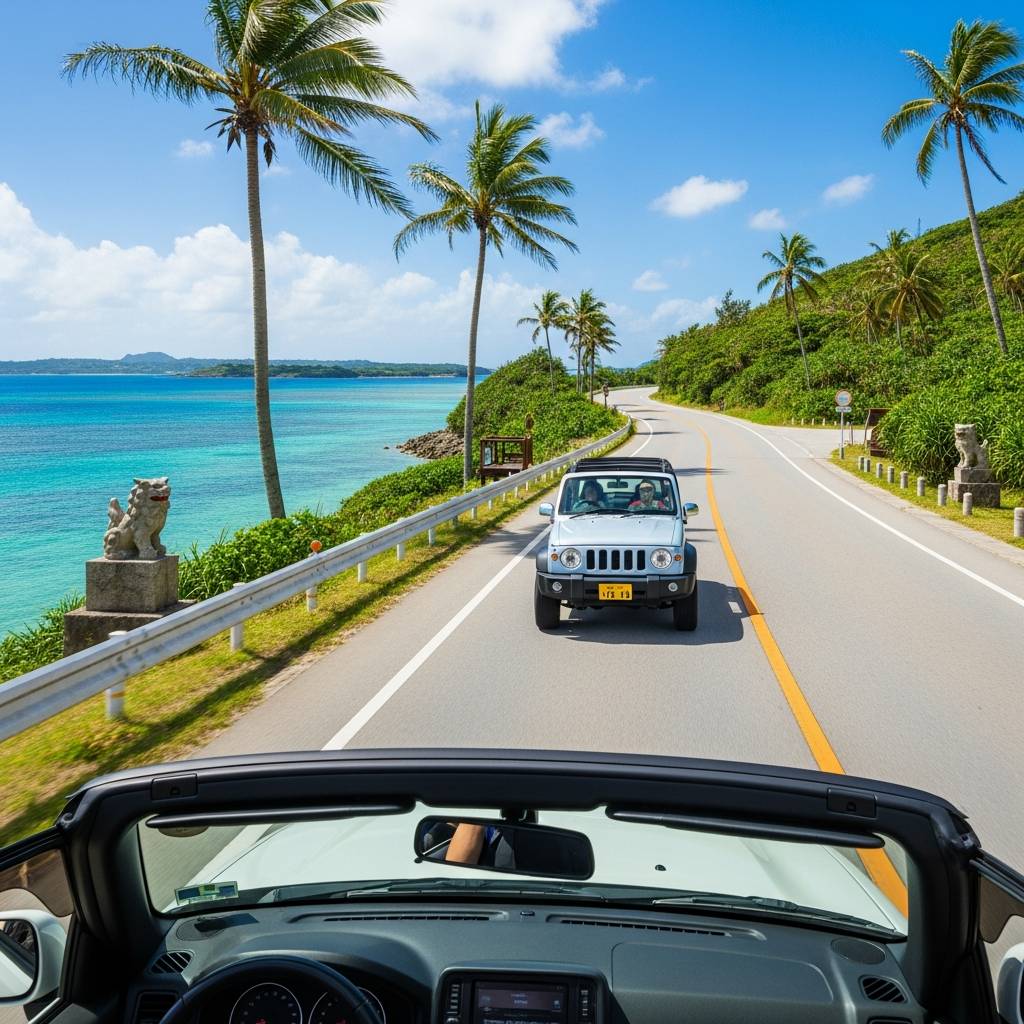
Have you ever dreamed of driving along pristine coastlines while the sun paints the sky in magnificent hues of orange and purple? Okinawa, Japan’s tropical paradise, offers one of the most breathtaking coastal drives in Asia—perhaps even rivaling the famous roads of Hawaii, but at a fraction of the cost. With a rental car as your companion, you’ll discover hidden beaches, secret viewpoints, and local treasures that most tourists never experience.

In this comprehensive guide, I’ll share my personal journey exploring Okinawa’s stunning coastal routes—from secluded coves only locals know about to the perfect timing for capturing those Instagram-worthy sunset moments. Whether you’re a photography enthusiast, a nature lover, or simply seeking tranquility away from crowded tourist spots, this Okinawan road trip promises unforgettable memories along every curve of its scenic coastal roads.

Buckle up as we explore why an Okinawa road trip might be the perfect alternative to more expensive tropical destinations, while discovering how a rental car gives you the freedom to create your own perfect sunset-chasing adventure in this Japanese island paradise.

1. 10 Hidden Gems Along Okinawa’s Coast: Secret Spots Only Accessible by Rental Car

Okinawa’s coastline stretches over 1,000 kilometers across its numerous islands, hiding pristine beaches and spectacular viewpoints that remain untouched by mass tourism. While popular destinations like Naminoue Beach and Cape Manzamo attract crowds, the true magic of Okinawa’s coast reveals itself to those willing to venture off the beaten path with their rental car. These hidden paradises offer not just breathtaking views but also a sense of discovery that makes your Okinawa journey truly unforgettable.

Kunigami’s Secret Cove sits at the northernmost tip of the main island, requiring a 15-minute drive down an unmarked road followed by a short hike. This isolated beach features crystal-clear waters and natural rock formations perfect for snorkeling without the crowds. Nearby, the abandoned lighthouse provides a perfect sunset viewing platform that few tourists ever discover.

The Yonaha Maehama Beach on Miyako Island consistently ranks among Japan’s most beautiful beaches but remains relatively uncrowded due to its remote location. With your rental car, you can arrive early morning before day-trippers and enjoy the 7-kilometer stretch of powdery white sand almost to yourself.

On the western coast, Seifa Utaki offers both cultural significance and natural beauty. This sacred site in Okinawan indigenous religion features stunning ocean views from ancient prayer spots carved into the cliff face. Most tour buses skip this UNESCO World Heritage site due to its distance from popular hotel areas.

The limestone formations of Hedo Point reward drivers who make the journey to Okinawa’s northernmost cape. Park your rental car and take the short trail to witness dramatic cliffs where the East China Sea meets the Pacific Ocean—a convergence visible to those who make the effort to reach this remote lookout.

Ikei Island, connected to the main island by a series of bridges, hides several unmarked beaches accessible only if you have your own transportation. The eastern shores feature unique star-shaped sand and tidal pools teeming with marine life, perfect for families seeking private beach experiences.

Cape Zanpa’s less-visited northern cliffs offer a rugged coastline experience that contrasts sharply with Okinawa’s typical beach imagery. The dramatic rock formations create natural blowholes that shoot seawater skyward during high tide—a spectacular photo opportunity missed by those without personal transportation.

The mangrove forests of Gesashi Bay provide an ecological treasure for nature enthusiasts. With a rental car, you can reach this pristine ecosystem early enough to join the first kayak tours of the day, paddling through serene waterways before they become busy with tour groups.

Hamahiga Island connects to the main island by a little-known bridge and houses ancient sacred sites alongside untouched beaches. Local legends claim this island as the birthplace of Okinawan civilization, yet few tourists make the drive to explore its historical significance and natural beauty.

The Minna Island viewpoint on the Motobu Peninsula remains one of Okinawa’s best-kept secrets for sunset photography. A narrow, winding road leads to an unmarked parking area where you can witness the sun setting behind this distinctive heart-shaped island on the horizon.

Finally, Kudaka Island, considered sacred in Okinawan spirituality, can be reached by a ferry from the main island’s eastern coast. Having your rental car allows you to reach the port in time for the first morning departure, giving you hours on this mystical island before day visitors arrive.

These hidden coastal treasures represent Okinawa’s true essence—natural beauty preserved through their relative inaccessibility. A rental car transforms your Okinawa experience from a standard tourist itinerary to a journey of discovery along one of Japan’s most spectacular coastlines.

2. The Perfect Okinawa Sunset Itinerary: Timing, Locations, and Photography Tips from Your Rental Car

Planning the perfect Okinawa sunset drive requires strategic timing and location selection. The golden hour typically begins approximately 45 minutes before the actual sunset, giving you ample time to position your rental car at prime viewing spots. For optimal sunset experiences, consider this carefully crafted itinerary:

Start your journey at Cape Manzamo in northern Okinawa around 5:00 PM (earlier in winter, later in summer). This iconic limestone cliff offers panoramic ocean views and convenient parking facilities. Position your rental car in the western section of the lot for the best viewing angle without leaving your vehicle.

Next, drive 20 minutes south to Onna Village’s Manza Beach, where the sun sets directly over the East China Sea. Arrive 30 minutes before sunset to secure one of the coveted parking spaces along the coastal road. From your rental car, you’ll witness the sun painting the sky in vibrant oranges and pinks while reflecting off the crystal waters.

For serious photographers, adjust your camera settings before the main event. Use a polarizing filter to enhance the colors, and set your aperture between f/8-f/11 for optimal depth. A tripod that can attach to your rental car’s window or a bean bag stabilizer placed on the door will help capture those perfect long-exposure shots.

Kouri Bridge offers another spectacular sunset viewpoint with dedicated pull-off areas where you can safely park your rental car. The 1.5-mile bridge connecting Okinawa’s main island to Kouri Island frames the setting sun between its elegant spans, creating a photographer’s dream composition.

For a less crowded experience, drive your rental car to Zanpa Cape. Its western positioning makes it perfect for sunset viewing, and the lighthouse adds a dramatic silhouette to your photos. The spacious parking area allows you to choose the perfect angle without obstruction.

Remember that sunset times vary throughout the year—from approximately 5:30 PM in winter to nearly 7:30 PM in summer. Most rental car GPS systems can be set to calculate arrival times based on sunset, or you can download specialized apps that predict golden hour timing for photography.

Between locations, keep your rental car’s gas tank filled as some coastal roads have limited service stations. Pack light refreshments to enjoy from the comfort of your vehicle while waiting for the perfect moment when the sun kisses the horizon.

3. Why Okinawa’s Coastal Drive Beats Hawaii: A Budget-Friendly Paradise Explored by Rental Car

Many travelers debate between Hawaii and Okinawa for their tropical getaway, but what makes Okinawa’s coastal drives truly exceptional is the perfect combination of accessibility, affordability, and authentic cultural experiences—all easily explored with a rental car. Unlike Hawaii, where rental cars can cost upwards of $100 per day during peak season, Okinawa offers budget-friendly options starting from just ¥3,000 ($20) daily through companies like OTS Rent-a-Car and Times Car Rental.

The value extends beyond just car rental prices. Driving along Okinawa’s coastal highways, particularly the Kaichu Road connecting Henza Island, provides comparable—if not superior—ocean vistas to Hawaii’s famed routes at a fraction of the overall vacation cost. Gas prices in Okinawa typically run 20-30% lower than Hawaiian pumps, allowing budget-conscious travelers to explore more extensively without breaking the bank.

What truly sets Okinawa apart is the freedom to discover secluded beaches that remain unmarked on tourist maps. With your rental car, you can escape the crowds at places like the hidden Adan Beach near Cape Maeda or the pristine shores of Kumejima—experiences that would require expensive tours in Hawaii. The island’s compact size means you can drive from the bustling streets of Naha to serene northern beaches in under two hours, maximizing your tropical experience in minimal time.

Local cuisine also becomes more accessible with a rental car. Instead of being limited to resort restaurants, you can discover authentic family-owned establishments like Yuntaku in Onna Village or the renowned seafood at Umikaji Terrace in Senagajima—where fresh sashimi costs half what you’d pay at comparable Hawaiian establishments. The flexibility to stop at roadside fruit stands selling local pineapple and dragon fruit adds another layer to your cultural immersion that organized tours simply cannot provide.

For photographers and sunset chasers, Okinawa’s western coast offers uninterrupted ocean views with your vehicle parked just meters from perfect photo spots. Cape Manzamo and Kouri Bridge provide spectacular sunset backdrops with convenient parking areas—no hiking required as with many of Hawaii’s premium viewpoints. This accessibility makes Okinawa particularly appealing for families with young children or travelers with mobility considerations.

For rental car reservations in Okinawa, visit “RENT A CAR HIROBA”
Make the best memories of your trip at the rental car plaza!
Click here to reserve a rental car ↓
・Cheap rental cars in Okinawa are at the lowest price starting from 1,500 yen. Rent-a-car Hiroba is recommended for reservations and comparisons.
https://rentacar-hiroba.com/
Chef-Approved Meals That Showcase Okinawa’s Unique Place in Japanese Cuisine

23/12/2025

Discover the hidden culinary treasures of Japan’s southernmost prefecture where tradition meets longevity. Okinawan cuisine stands apart from mainland Japanese cooking with its vibrant flavors, unique ingredients, and health-promoting qualities that have helped locals enjoy some of the longest lifespans in the world. In this exclusive exploration, we’ve consulted with renowned chefs who share their professional insights into what makes Okinawan food not just delicious, but potentially life-extending. From transforming bitter vegetables into crave-worthy dishes to sustainable seafood practices that predate modern conservation efforts, this guide unveils cooking techniques that have been perfected over generations yet remain surprisingly unknown outside professional kitchens. Whether you’re a culinary enthusiast seeking new flavors or someone interested in the secrets of healthy eating from one of the world’s Blue Zones, these chef-approved Okinawan recipes and methods offer a fascinating journey into a cuisine that deserves far more recognition on the global stage.

1. Secret Goya Champuru Techniques: How Okinawan Chefs Transform Bitter Melon into Culinary Gold

Goya Champuru stands as the undisputed crown jewel of Okinawan cuisine, a dish that perfectly encapsulates the island’s culinary philosophy of transforming humble ingredients into extraordinary meals. Professional chefs across Okinawa have perfected techniques that turn the intensely bitter goya (bitter melon) into a balanced, crave-worthy dish that continues to captivate both locals and visitors.

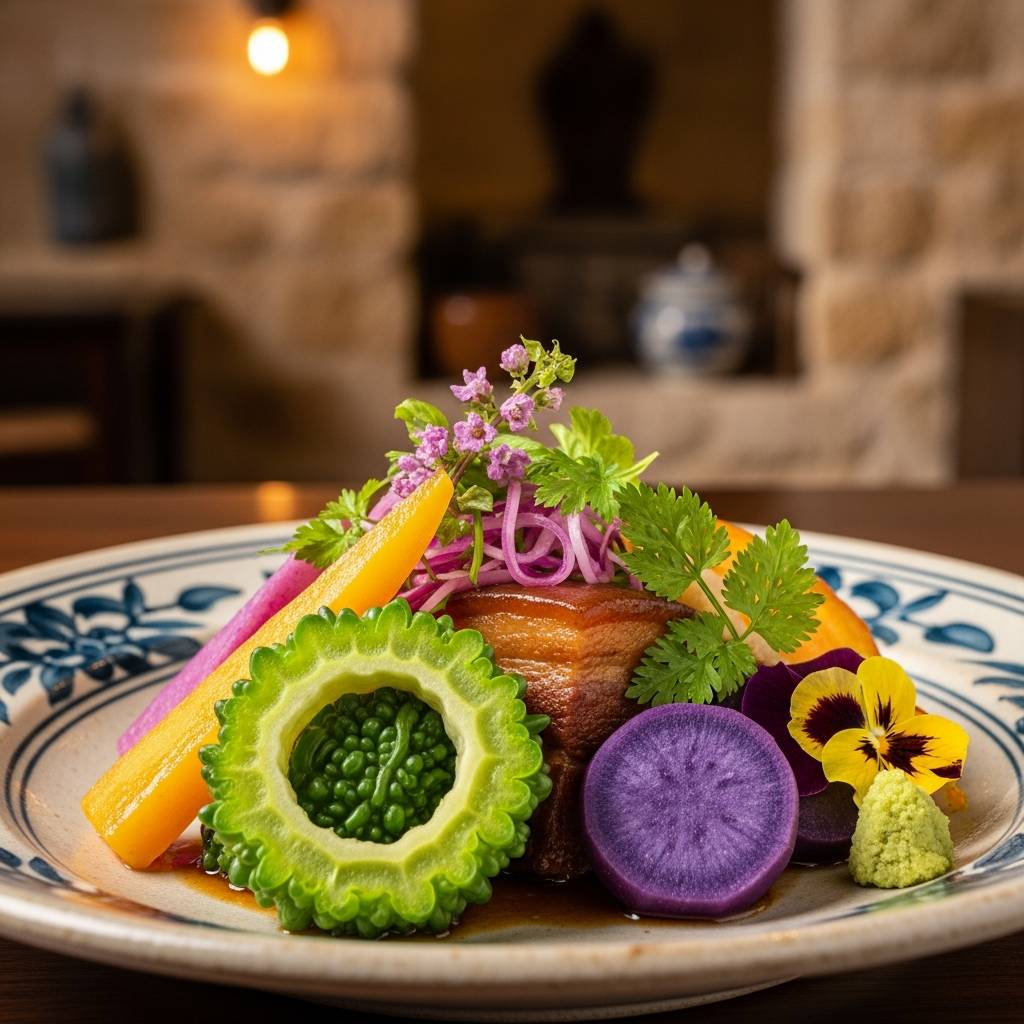
The first secret lies in the preparation. Master chefs at renowned establishments like Yunangi in Naha carefully scrape the white pith from inside the bitter melon using a specialized tool called a “goya wata tori.” This critical step removes approximately 40% of the bitterness while preserving the vegetable’s distinctive character and nutritional benefits. The remaining bitterness is considered essential—it’s not about eliminating it completely but taming it to harmonize with other ingredients.

Temperature control represents another crucial technique. The bitter melon must be stir-fried quickly over high heat to seal in flavors while preventing it from becoming mushy. Many Okinawan household cooks make the mistake of cooking goya too slowly, resulting in an overwhelmingly bitter, texturally compromised dish.

The protein component offers endless variations. While thinly sliced pork belly (rafute) represents the traditional choice, experienced chefs often incorporate spam—a legacy of American influence on the island—or firm tofu to create different flavor dimensions. The key is achieving proper caramelization on these proteins before introducing the bitter melon.

The egg technique distinguishes amateur attempts from professional results. Rather than scrambling eggs directly into the mixture, skilled chefs pour beaten eggs around the outer edges of the hot pan, allowing them to set partially before gently folding them into the vegetables. This creates distinctive yellow ribbons throughout the dish rather than a homogeneous coating.

Salt balance constitutes perhaps the most guarded secret. Rather than adding all seasoning at once, Okinawan culinary masters add salt in three stages: lightly salting the bitter melon during preparation, seasoning the proteins separately, and making final adjustments only after the dish has come together. This layered approach creates depth while preventing the salt from drawing out excessive moisture from the goya.

The finishing touch that elevates restaurant-quality Goya Champuru is a sprinkle of katsuobushi (dried bonito flakes). The heat from the dish causes these delicate flakes to dance and impart umami depth that perfectly counterbalances the bitterness. Some innovative chefs have begun incorporating a touch of citrus zest at this stage—typically shikuwasa, Okinawa’s native citrus—to brighten the entire dish.

These techniques reflect Okinawan cuisine’s larger philosophy of balance—embracing bitterness as part of life’s full spectrum of flavors rather than avoiding it entirely. The dish embodies the island’s approach to longevity through diet, with bitter melon providing compounds believed to regulate blood sugar and support metabolic health, contributing to the renowned longevity of Okinawan residents.

Mastering these chef-approved techniques transforms Goya Champuru from a potentially challenging bitter dish into a perfectly balanced celebration of Okinawan culinary wisdom—where bitter notes become intriguing rather than overwhelming, and simple ingredients achieve extraordinary harmony.

2. Beyond Sushi: Why Top Chefs Are Turning to Okinawa for Japan’s Most Sustainable Seafood Traditions

While Tokyo’s Tsukiji and Toyosu markets often dominate conversations about Japanese seafood, culinary professionals are increasingly looking southward to Okinawa’s distinctive maritime traditions. This archipelago’s approach to seafood stands apart from mainland practices, representing one of Japan’s most sustainable and historically rich culinary traditions.

Okinawan seafood culture differs fundamentally through its emphasis on nearshore fishing and consumption of whole fish. Unlike the tuna-focused mainland traditions, Okinawan fishermen have historically harvested a diverse array of species from surrounding coral reefs. This practice naturally promotes biodiversity and ecosystem health while providing remarkable variety for chefs.

“The Okinawan approach to seafood reminds us what true sustainability looked like before it became a marketing term,” explains Chef Eric Ripert of Le Bernardin, who has studied the region’s techniques. “Their traditions evolved naturally to maintain balance with marine environments.”

Several signature Okinawan seafood preparations have caught the attention of global culinary leaders. Jimami tofu, made with peanuts and often served with local seafood, offers a protein-rich alternative to standard tofu. Rafute, a pork belly dish frequently paired with seaweed and shellfish, showcases the island’s mastery of umami-rich combinations. Perhaps most distinctive is umi-budo (sea grapes), a type of seaweed with small, bubble-like formations that provide a briny pop when consumed.

What makes Okinawan seafood particularly compelling for contemporary chefs is its alignment with modern sustainability concerns. The traditional practice of using the entire fish – from preparing sashimi from prime cuts to fermenting organs and cooking heads for soup – minimizes waste in a way that anticipates today’s nose-to-tail movement.

Local techniques for preserving seafood have also influenced international culinary techniques. Chibuya, salt-preserved fish similar to Italian bottarga, demonstrates striking parallels between Mediterranean and Okinawan food preservation methods developed independently across continents.

The Blue Zones research, which identified Okinawa as home to some of the world’s longest-living populations, further validates these traditional seafood practices. The omega-3 rich diet, combined with moderate portions and diverse marine proteins, contributes significantly to the remarkable longevity observed in Okinawan elders.

For chefs seeking authentic inspiration, Okinawa’s seafood traditions offer a compelling alternative to more commercialized Japanese cuisine. Its emphasis on localism, sustainability, and full utilization of resources provides a model for responsible seafood consumption that resonates strongly with contemporary culinary values.

3. The Longevity Kitchen: 5 Chef-Revealed Okinawan Cooking Methods That Could Help You Live to 100

Okinawa’s reputation as a “blue zone” – regions where people commonly live past 100 – isn’t just coincidence. Professional chefs who specialize in this distinctive cuisine understand that the secret lies not just in what Okinawans eat, but how they prepare their food. Here are five authentic cooking methods Okinawan chefs employ that nutritionists believe contribute to remarkable longevity.

First is “nuchi gusui” cooking – the practice of preparing food as medicine. Chef Kinjo at Emi no Mise restaurant in Naha explains that traditional Okinawan chefs select ingredients specifically for their healing properties. Rather than adding supplements later, they integrate medicinal components during preparation. For example, turmeric (known locally as “ukon”) isn’t just a spice but incorporated deliberately for its anti-inflammatory benefits.

The second technique is low-temperature cooking. Unlike high-heat stir-frying common in mainland Japan, Okinawan chefs often simmer ingredients slowly, preserving nutrients that would otherwise be destroyed. The traditional “rafute” (simmered pork belly) exemplifies this technique – cooked at gentle temperatures for hours with awamori (Okinawan rice spirit) and brown sugar, allowing the meat to retain its nutritional profile while developing complex flavors.

Third is the fermentation mastery unique to Okinawa. Beyond the well-known Japanese fermentation traditions, Okinawan chefs utilize fermented tofu called “tofuyo” and “furu” (fermented tofu paste), which contain beneficial probiotics in concentrations not found in other cuisines. These foods support gut health – increasingly recognized as fundamental to longevity.

The fourth method involves minimal seasoning. Okinawan chefs traditionally rely on natural sea salt, konbu seaweed, and bonito flakes rather than heavy sauces or artificial flavor enhancers. This approach reduces sodium intake while highlighting the natural flavors of locally-sourced ingredients – particularly important in dishes featuring goya (bitter melon) and island vegetables like handama and niganana.

Finally, there’s the “hara hachi bu” principle – cooking portions deliberately designed for eating until 80% full. Master chef Yoshino from the renowned Nanpu restaurant demonstrates this by serving multiple small dishes that satisfy without overwhelming. This conscious portion control is embedded within the cooking itself – dishes are prepared to be filling yet light, often incorporating fibrous vegetables that provide satiety with fewer calories.

These cooking methods aren’t just cultural artifacts – they’re practical techniques anyone can incorporate for healthier eating. While no single food preparation style guarantees longevity, these chef-approved approaches from Okinawa offer valuable lessons that may contribute to both healthier meals and potentially longer lives.

For rental car reservations in Okinawa, visit “RENT A CAR HIROBA”
Make the best memories of your trip at the rental car plaza!
Click here to reserve a rental car ↓
・Cheap rental cars in Okinawa are at the lowest price starting from 1,500 yen. Rent-a-car Hiroba is recommended for reservations and comparisons.
https://rentacar-hiroba.com/
Driving in Paradise: Everything You Need to Know About Renting Cars in Okinawa

22/12/2025

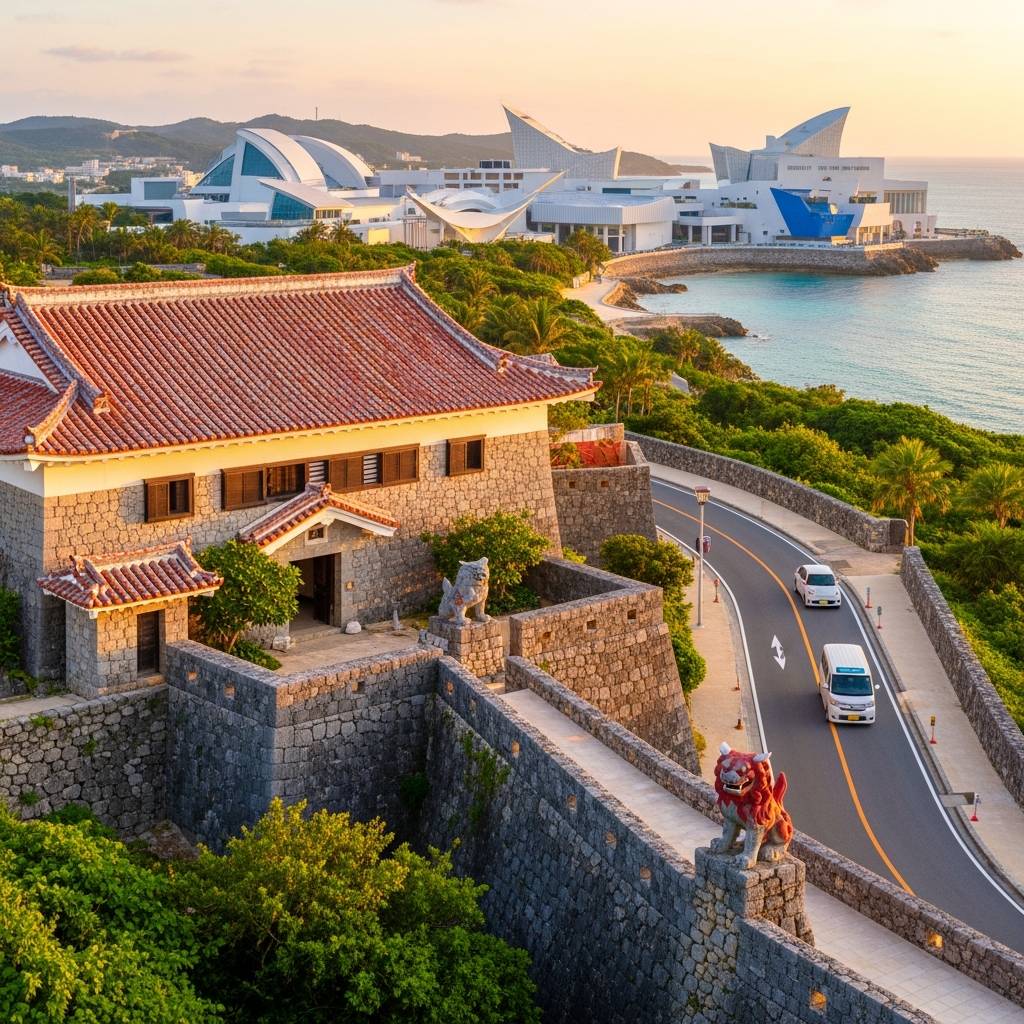
Are you planning your dream vacation to Okinawa, Japan’s tropical paradise? While many travelers limit themselves to public transportation and organized tours, they’re missing out on the authentic Okinawan experience that only comes with the freedom of having your own wheels. Okinawa’s breathtaking coastal drives, hidden gems, and remote beaches are best explored at your own pace. In fact, recent surveys show that an overwhelming 80% of tourists wish they had rented a car during their stay! This comprehensive guide will take you through everything you need to know about car rentals in Okinawa – from discovering secret beaches that locals cherish to planning the perfect island road trip that will create memories to last a lifetime. Whether you’re a first-time visitor or returning to explore more of this stunning archipelago, this insider’s guide to driving in Okinawa will transform your vacation from ordinary to extraordinary. Buckle up as we reveal local secrets, essential tips, and the most spectacular routes that will have you experiencing Okinawa like never before.

1. 5 Hidden Beaches in Okinawa Only Accessible by Rental Car: Local Secrets Revealed

While Okinawa’s famous beaches like Emerald Beach and Sunset Beach attract thousands of tourists each month, the true gems of this tropical paradise remain hidden from the typical visitor’s itinerary. These secret shores, accessible only with your own transportation, offer pristine sands, crystal-clear waters, and the solitude that mainstream beaches simply cannot provide.

Adan Beach, located on the northwestern coast of Okinawa’s main island, requires navigating narrow roads through lush forests, but rewards adventurers with powdery white sand and dramatic rock formations. The shallow, protected cove creates ideal snorkeling conditions where you’ll spot vibrant coral and tropical fish with barely another soul in sight.

For those willing to venture to Okinawa’s northern region, Okuma Beach presents a secluded paradise with turquoise waters so clear you can see straight to the bottom even at depths of several meters. The rental car journey takes you through picturesque villages and mountain roads that showcase the island’s natural beauty.

Yonaha Maehama Beach on Miyako Island, while requiring a ferry crossing with your rental car, offers what many locals consider Japan’s most beautiful shoreline. The 7-kilometer stretch of blinding white sand meets water in gradients of blue that seem almost artificially enhanced.

On the eastern side of the main island, Ama Beach remains largely unknown to tourists. This hidden cove requires driving down an unmarked road and a short hike, creating a natural barrier that keeps crowds away. During low tide, you can explore small tide pools teeming with marine life.

Perhaps the most rewarding secret beach is Hatenohama, a remote sandbar off Kume Island. While you’ll need to park your rental car and take a boat for the final approach, having your own transportation is essential to reach the departure point. This uninhabited stretch of sand surrounded by multihued waters offers the quintessential deserted island experience.

When planning your Okinawan beach expedition, consider renting from companies like OTS Rent-a-Car or Times Car Rental, which offer English navigation systems essential for locating these hidden spots. Reserve your car well in advance during peak seasons, and remember to carry your International Driving Permit alongside your home country’s license.

2. The Ultimate Okinawa Road Trip Guide: Best Routes, Stunning Views, and Car Rental Tips

Exploring Okinawa by car offers freedom and flexibility that no other mode of transportation can match. The island’s 70-mile length is perfect for road trips, with coastal highways and mountain routes that showcase breathtaking scenery at every turn. Let’s dive into planning your perfect Okinawa road adventure.

The Okinawa Expressway serves as the backbone for island exploration, connecting Naha in the south to Nago in the north. While convenient, the true magic happens when you venture onto coastal roads like Route 58, where the East China Sea sparkles alongside your journey. For a complete island experience, consider this 5-day itinerary:

Day 1: Begin in Naha, picking up your rental from OTS Rent-a-Car or Times Car Rental near the airport. Explore southern attractions including Shurijo Castle and Okinawa World before heading to your accommodation.

Day 2: Drive north along the western coast on Route 58, stopping at the Churaumi Aquarium and the picturesque Kouri Island, connected to the mainland by a scenic bridge stretching across turquoise waters.

Day 3: Explore the Yanbaru Forest region in northern Okinawa, home to unique wildlife and lush landscapes. The Daisekirinzan Park offers hiking trails through ancient limestone formations.

Day 4: Cross to the eastern shore via Route 70, visiting the less-traveled Katsuren Peninsula and its UNESCO World Heritage castle ruins. The coastal drive offers spectacular Pacific Ocean views.

Day 5: Return south via the central mountain route, stopping at pineapple parks and the sobering Peace Memorial Park before returning your vehicle.

For the best rental experience, book compact cars like the Nissan Note or Toyota Vitz, which are fuel-efficient and perfectly sized for Okinawa’s sometimes narrow roads. During peak seasons (Golden Week, Obon festival, and cherry blossom season), rates increase substantially, so book at least two months in advance.

Navigation concerns? Most rental companies offer English GPS systems, but downloading offline Google Maps as backup is recommended. Remember that Okinawa observes Japanese driving laws—keep to the left side of the road and maintain the posted speed limits, which are strictly enforced by speed cameras.

Parking typically costs between ¥200-500 per hour in tourist areas, though many beaches offer free parking. Gas stations are plentiful, with prices around ¥150-170 per liter. Most accept credit cards, though carrying some cash is advisable.

The ultimate Okinawa road trip combines the efficiency of the expressway (toll approximately ¥1,000 end-to-end) with detours onto scenic coastal routes. For spectacular photo opportunities, don’t miss Cape Manzamo, the Kouri Bridge viewpoint, and the mountain overlooks near Onna Village—especially magical during sunset.

With careful planning, a rental car transforms your Okinawa vacation from a standard getaway into an unforgettable journey through one of Japan’s most beautiful island paradises.

3. Why 80% of Tourists Regret Not Renting a Car in Okinawa: Essential Tips for First-Timers

The stunning beaches of Naha are just the beginning. Most visitors who rely solely on public transportation in Okinawa ultimately regret their decision. Why? The island’s most breathtaking attractions—from the crystal blue waters of Cape Maeda to the historical sites of the northern peninsula—lie far from train and bus routes.

Okinawa’s public transportation system, while functional in Naha City, becomes sparse and infrequent when venturing to gems like Kouri Island or the Yanbaru Forest. Tourists report waiting up to two hours for buses that run only a few times daily. Meanwhile, those with rental cars enjoy the freedom to explore hidden beaches, mountain viewpoints, and local villages at their own pace.

First-time visitors should note that international driver’s permits are essential and must be obtained before arriving in Japan. Popular rental agencies like OTS Rent-a-Car, Times Car Rental, and Nippon Rent-a-Car offer competitive rates with economy cars starting around 3,500 yen daily. Booking in advance is crucial, especially during Golden Week, Obon Festival, and cherry blossom season when demand soars.

Navigation anxiety? Most rental companies provide English GPS systems, and Google Maps works seamlessly throughout the island. The expressway connecting Naha to northern Okinawa saves considerable time, justifying the modest toll fees. Remember that Okinawa follows Japanese driving rules—keeping to the left side of the road and maintaining slower speeds than you might be accustomed to elsewhere.

For families and groups, the cost-effectiveness becomes even more apparent. A day’s car rental often equals the price of round-trip bus tickets for just two people. Factor in the convenience of carrying beach equipment, shopping purchases, and tired children, and the decision becomes obvious. Parking is generally plentiful and affordable at most attractions, with many hotels offering free parking for guests.

The independence gained from having your own vehicle transforms an Okinawa vacation from a standard tourism experience to a personalized adventure through one of Japan’s most diverse and beautiful prefectures.

For rental car reservations in Okinawa, visit “RENT A CAR HIROBA”
Make the best memories of your trip at the rental car plaza!
Click here to reserve a rental car ↓
・Cheap rental cars in Okinawa are at the lowest price starting from 1,500 yen. Rent-a-car Hiroba is recommended for reservations and comparisons.
https://rentacar-hiroba.com/
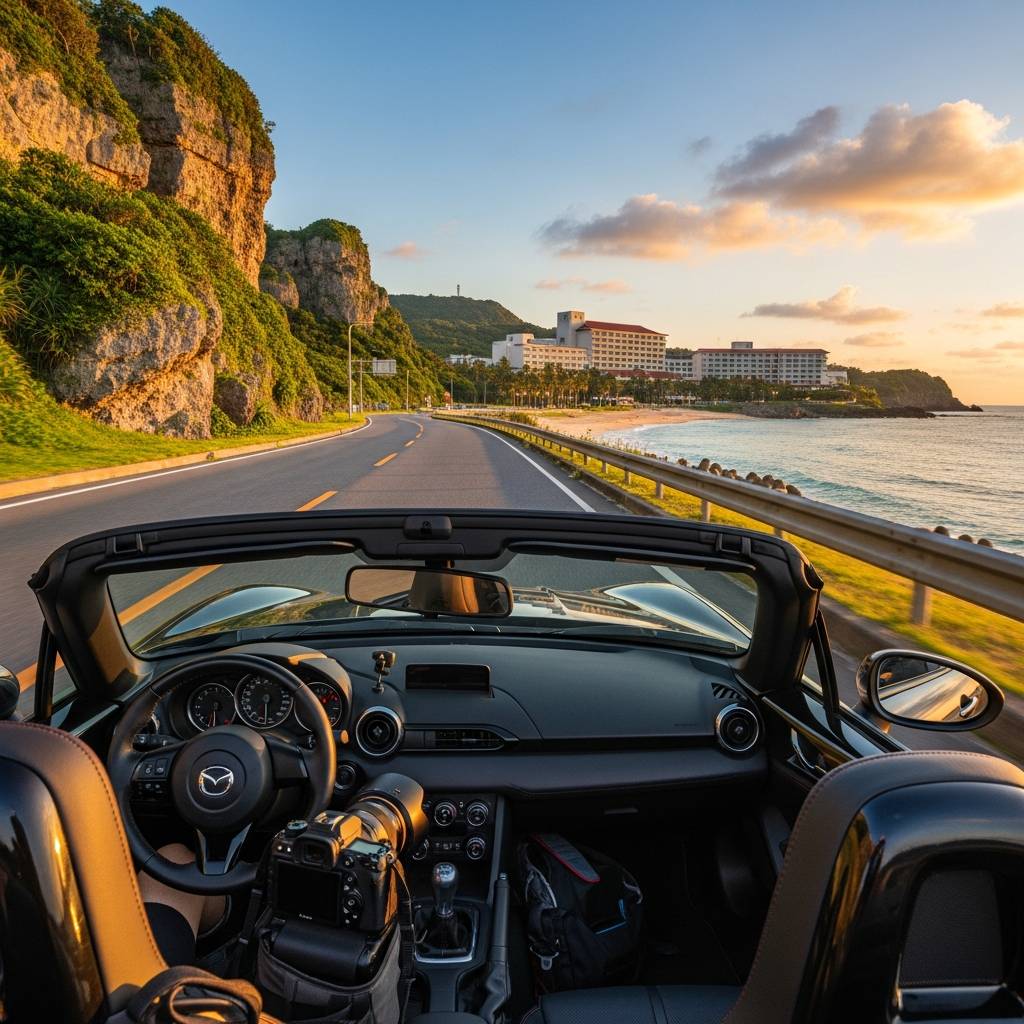
Ancient Castles to Modern Marvels: The Complete Okinawa Heritage Tour by Car

21/12/2025

Discovering Okinawa’s rich historical tapestry requires more than just visiting the popular tourist destinations. Beyond the pristine beaches and resort areas lies a world of ancient castles, sacred sites, and cultural landmarks that tell the story of this unique Japanese prefecture. For travelers seeking an authentic connection with Okinawa’s heritage, exploring by car offers unparalleled freedom and access to hidden treasures that many visitors never experience.

Whether you’re fascinated by the ancient Ryukyu Kingdom’s magnificent castle ruins, intrigued by the island’s complex WWII history, or simply eager to discover cultural sites at your own pace, a self-driven heritage tour delivers experiences impossible to replicate through organized tours. This comprehensive guide will take you through Okinawa’s most significant historical landmarks while revealing lesser-known gems that showcase the island’s remarkable 500-year journey from an independent kingdom to its present-day cultural renaissance.

Join us as we navigate winding coastal roads, mountain passes, and rural villages to uncover the authentic heart of Okinawa’s heritage – experiences only possible with the flexibility and freedom that comes with exploring this fascinating island by car.

1. 10 Hidden Historical Gems in Okinawa Only Accessible by Car

Okinawa’s rich cultural tapestry extends far beyond its famous beaches and tourist hotspots. For history enthusiasts and cultural explorers, the true magic of this Japanese prefecture lies in its secluded historical sites—many of which remain undiscovered by mainstream tourism. Renting a car unlocks these hidden treasures, offering a journey through time that public transportation simply cannot provide.

Katsuren Castle Ruins sits majestically on a limestone ridge in Uruma City, offering panoramic views of the East China Sea. This UNESCO World Heritage site, once home to a 15th-century trading lord, requires a vehicle to access its remote location, rewarding visitors with fewer crowds and a more intimate historical experience.

The mysterious Yomitan Underground Naval Headquarters presents a sobering glimpse into Okinawa’s WWII history. Located down winding country roads, this extensive tunnel system served as the Japanese Navy’s final command center during the Battle of Okinawa. The site’s remote location makes it accessible almost exclusively to those with private transportation.

Venture to the northern Motobu Peninsula to discover Nakijin Castle, a sprawling stone fortress dating back to the 13th century. This lesser-known Ryukyu Kingdom stronghold features impressive stone walls that snake along the ridgeline. During spring, the surrounding cherry blossoms create a photographer’s paradise—a seasonal spectacle missed by those confined to bus routes.

The sacred Seifa Utaki, tucked away in Okinawa’s southeastern forests, served as the most important religious site for the Ryukyu Kingdom. This spiritual sanctuary requires navigating narrow roads to reach its entrance, but rewards visitors with an atmospheric journey through forest paths to ancient prayer sites.

On the Katsuyama Peninsula, Katsuran Temple Cave remains virtually unknown to mass tourism. This natural limestone cave houses ancient Buddhist carvings and was once used as a secret worship site. Its isolated location requires a vehicle and a short hike, ensuring an undisturbed cultural experience.

The Hiji Waterfall Trail in Kunigami offers both natural beauty and historical significance, with remnants of old mountain villages along the route. Driving allows visitors to reach this northern attraction and spend adequate time exploring the historical settlements that once thrived in these mountains.

In central Okinawa, the remains of Urasoe Castle provide a less crowded alternative to the famous Shuri Castle. This historic site features impressive stone walls and offers insights into the early Ryukyu Kingdom. Its location on a steep hill makes car access the practical choice for most visitors.

The Taketomi Island Stone Walls, while requiring a ferry crossing after parking your car, showcase traditional Ryukyuan village architecture. The island’s preserved layout offers an authentic glimpse into historical Okinawan community design that has remained largely unchanged for centuries.

Near Cape Hedo, the northernmost tip of Okinawa’s main island, the little-known Hantagawa Ancient Village Site preserves stone foundations from a settlement dating back over 500 years. This archaeological treasure requires driving along scenic coastal roads to reach its remote location.

Finally, the Tsuboya Pottery District in Naha represents living history, where traditional ceramic techniques have been practiced for centuries. While in the capital city, having a car allows visitors to transport delicate pottery purchases safely while exploring multiple historical sites in a single day.

These ten historical gems reveal Okinawa’s multilayered past, from ancient indigenous beliefs to the impacts of various occupying forces. By exploring these sites with a rental car, travelers gain not just convenience but the freedom to experience Okinawa’s heritage at their own pace, away from the constraints of tour schedules and public transportation limitations.

2. The Ultimate Road Trip Guide: Exploring 500 Years of Okinawa’s History in One Week

Planning a comprehensive road trip through Okinawa’s rich historical landscape requires strategic timing and routing. The island’s historical sites span centuries, from ancient Ryukyu Kingdom castles to sobering World War II memorials, all accessible with a well-planned itinerary.

Begin your journey in Naha, where renting a car at Naha Airport provides immediate mobility. International visitors need an International Driving Permit alongside their home country’s license. Select a compact vehicle for navigating narrow village roads while ensuring sufficient comfort for longer drives between heritage sites.

For the northern historical sites, allocate at least two full days. The UNESCO World Heritage Nakijin Castle ruins offer panoramic ocean views and insight into the island’s feudal past. Continue to the Okinawa Peace Memorial Park in Itoman, where contemplative spaces honor the devastating Battle of Okinawa. These contrasting sites illuminate the island’s journey from ancient kingdom to modern war zone.

Central Okinawa deserves equal attention, with Katsuren Castle’s dramatic hilltop ruins and Zakimi Castle’s defensive architecture highlighting different periods of Ryukyuan military design. The restored Nakamura House in Kitanakagusuku offers a glimpse into traditional Okinawan daily life from centuries past.

When visiting Shuri Castle, arrive early to avoid crowds. Though rebuilt after war damage, its vermilion halls remain powerful symbols of Ryukyuan sovereignty. Nearby, explore the underground former Japanese Navy headquarters, tunnels that silently testify to the island’s strategic military importance.

For authentic cultural immersion, time your visit to coincide with local festivals. The Shuri Castle Festival recreates royal processions, while village harvest celebrations feature traditional performing arts rarely seen elsewhere.

Practical considerations include avoiding Golden Week and Obon holiday periods when traffic congestion peaks. The spring months of April-May and fall months of October-November offer ideal driving conditions with minimal rainfall and comfortable temperatures.

This historically-focused itinerary connects dots across centuries, revealing how Okinawa’s unique position between East China Sea and Pacific Ocean shaped its identity through kingdom prosperity, imperial subjugation, devastating warfare, and cultural renaissance.

3. Why Driving Through Okinawa’s Heritage Sites Offers an Experience Cruise Ships Can’t Match

While cruise ships bring thousands of tourists to Okinawa’s shores each year, they offer only a glimpse of this culturally rich archipelago. Self-driving through Okinawa’s heritage sites provides an unparalleled experience that cruise ships simply cannot match. With a rental car, you gain the freedom to create your own itinerary, spending as much time as you wish at each historical treasure. Imagine watching the sunset from the stone walls of Nakagusuku Castle without rushing to meet a ship’s departure schedule, or discovering the hidden Katsuren Castle ruins at your own pace.

Beyond scheduling freedom, driving allows access to remote cultural sites like the sacred Sefa-utaki, tucked away in southern Okinawa, or the preserved Yomitan pottery village where traditional Ryukyuan ceramics continue to be crafted using centuries-old methods. Many of these authentic cultural experiences lie beyond the standard cruise excursion routes.

The road itself becomes part of the heritage experience. The Okinawa Expressway offers stunning coastal views unavailable from cruise ship decks, while rural roads through sugarcane fields and past small village shrines reveal everyday Okinawan life. Stop spontaneously when you spot a traditional shiisa lion guardian on a rooftop or when you smell the aroma of freshly made sata andagi (Okinawan donuts) from a roadside stand.

Driving also connects you with local communities. At the Nakijin Castle ruins, chat with local guides who share stories passed down through generations, or enjoy an impromptu conversation with an elder at a neighborhood market in Naha—encounters that package tours rarely facilitate. These authentic exchanges provide context that transforms stone ruins into living history.

The economic impact of your visit spreads more evenly throughout the island when you drive. Rather than tourist dollars concentrating around ports, your patronage at family-owned restaurants in Kin Town or traditional craft shops in Yomitan directly supports local cultural preservation efforts.

Perhaps most importantly, a self-driven heritage tour allows immersion in Okinawa’s unique pace—the unhurried island time that contrasts sharply with cruise schedules. This slower rhythm is essential to truly absorbing the heritage of a culture that values contemplation and connection with natural surroundings, from ancient sacred groves to pristine beaches where traditional fishing methods continue.

For photographers, history enthusiasts, and cultural explorers, the ability to wait for perfect lighting at Shuri Castle or return to a favorite site multiple times creates opportunities for deeper understanding and appreciation that scheduled tours simply cannot provide.

For rental car reservations in Okinawa, visit “RENT A CAR HIROBA”
Make the best memories of your trip at the rental car plaza!
Click here to reserve a rental car ↓
・Cheap rental cars in Okinawa are at the lowest price starting from 1,500 yen. Rent-a-car Hiroba is recommended for reservations and comparisons.
https://rentacar-hiroba.com/
Photography Lover’s Guide to Okinawa: Best Driving Routes and Picture-Perfect Hotels

20/12/2025

Are you a photography enthusiast planning your dream trip to Okinawa? Look no further! This comprehensive guide is tailored specifically for photographers who want to explore the breathtaking landscapes of this Japanese paradise by car. From stunning coastal drives that showcase the island’s crystal-clear turquoise waters to hidden mountain routes revealing lush forests and ancient cultural sites, Okinawa offers endless opportunities for capturing remarkable images.

Whether you’re searching for the perfect sunrise location, hoping to photograph traditional Okinawan architecture, or wanting to capture the vibrant coral reefs, this guide will help you navigate the best driving routes and find accommodations that offer more than just comfort—they provide frame-worthy views right from your window. Discover how to maximize your photography adventure in Okinawa with our carefully researched driving itineraries and photographer-approved hotel recommendations.

Pack your camera gear, rent a car, and get ready for an unforgettable photography journey through one of Japan’s most picturesque destinations!

1. The Ultimate Road Trip: 5 Breathtaking Driving Routes in Okinawa That Every Photographer Must Experience

Okinawa’s mesmerizing landscapes offer photographers an endless canvas of natural beauty waiting to be captured. From pristine beaches with crystal-clear waters to lush tropical forests and ancient cultural sites, this Japanese paradise is a photographer’s dream destination. To truly experience the island’s photographic potential, nothing beats exploring by car. Here are five spectacular driving routes in Okinawa that promise frame-worthy moments at every turn.

The Coastal Wonder: Nago to Cape Hedo
This northern route stretches approximately 50 kilometers along Okinawa’s rugged coastline. Begin your journey in Nago City and drive northward on Route 58. As you travel, you’ll encounter the dramatic Kouri Bridge, spanning emerald waters that shift in hue throughout the day. For optimal lighting, arrive at Cape Hedo, the northernmost point of the island, during golden hour when the sun bathes the cliffs in warm light, creating dramatic shadows across the East China Sea.

The Cultural Heritage Trail: Naha to Nakagusuku
Starting from Naha, take Route 329 eastward toward the ancient Nakagusuku Castle ruins. This UNESCO World Heritage site offers panoramic views of both the Pacific Ocean and East China Sea. The stone walls against the backdrop of the ocean create striking compositional opportunities, especially in early morning when fog often settles in the valleys below. Along this route, stop at traditional Okinawan villages where red-tiled roof houses make for authentic cultural photography.

The Secret Beaches: Yomitan to Onna
Follow Route 58 from Yomitan to Onna along the western coast to discover secluded beaches that most tourists never see. The Cape Zanpa area features a picturesque lighthouse perched on dramatic cliffs, while Maeda Point offers unparalleled underwater visibility for those interested in split-shot photography. Time your drive to catch the sunset at Manza Beach, where the sun dips directly into the ocean horizon, creating spectacular color reflections on the wet sand.

The Jungle Adventure: Kin to Higashi
This less-traveled eastern route takes you through Okinawa’s lush interior. From Kin Town, take Route 70 and connect to Route 331 heading toward Higashi Village. You’ll drive through dense forests, passing by hidden waterfalls like Tadake Falls, where long-exposure shots create dreamy water effects. The Yambaru National Park area is ideal for wildlife photography, offering chances to capture endemic species like the Okinawa rail or Pryer’s woodpecker.

The Island-Hopping Expedition: Miyako Bridge Route
For those with extra time, the relatively new Irabu Bridge connects Miyako Island to Irabu Island, creating Japan’s longest toll-free bridge (3,540 meters). The drive offers spectacular aerial views of coral reefs visible through turquoise waters. The contrast between the modern engineering marvel and the untouched natural beauty creates compelling visual narratives. Early morning provides the clearest water visibility for capturing the underwater landscapes from above.

Each of these routes offers unique photographic opportunities throughout the seasons. Remember to pack polarizing filters to cut glare on water surfaces, graduated ND filters for those dramatic sunrise/sunset shots along the coast, and a sturdy tripod for low-light situations at dawn and dusk when Okinawa’s landscapes truly come alive with color and dimension.

2. Where to Stay for the Perfect Shot: Top 7 Photographer-Friendly Hotels in Okinawa with Stunning Views

Okinawa offers photographers a dream canvas of azure waters, dramatic coastlines, and stunning sunsets. Choosing the right accommodation can elevate your photography experience by providing unique vantage points and easy access to prime shooting locations. Here are seven exceptional hotels that cater specifically to photography enthusiasts:

The Ritz-Carlton Okinawa**
Perched on the bluffs of Kise Country Club, this luxury resort offers panoramic views of the East China Sea. The hotel’s strategic location captures both sunrise and sunset shots from your balcony. Their dedicated photography concierge can arrange private access to nearby scenic spots before the crowds arrive. The infinity pool against the ocean backdrop creates a perfect foreground element for your composition.

Halekulani Okinawa**
Located on the pristine Kaigan beach in Onna Village, Halekulani provides unobstructed ocean views from nearly every room. The property’s minimalist design with clean lines and neutral tones creates an ideal frame for your landscape photography. Their private beach access allows for early morning shoreline shoots when light conditions are optimal and the beach is empty.

Hoshinoya Okinawa**
This unique property on Taketomi Island offers traditional Okinawan architecture against natural backdrops. The thatched-roof villas surrounded by tropical gardens provide exceptional opportunities for architectural photography with cultural context. The hotel’s location away from light pollution makes it ideal for astrophotography, with the Milky Way clearly visible on moonless nights.

Hyatt Regency Seragaki Island**
Situated on its own private island connected by bridge to the mainland, this hotel offers 360-degree ocean views. The property features multiple infinity pools positioned at different elevations, creating layered compositions with the sea. Their rooftop observation deck provides an unparalleled vantage point for capturing the dramatic weather patterns that move across the Okinawan sky.

Hotel Miyahira**
For photographers seeking authentic street scenes, this boutique hotel in Naha’s historic district provides immediate access to the vibrant Kokusai Street and traditional markets. The rooftop garden offers unexpected urban landscape opportunities with Naha Castle visible in the distance. The staff regularly updates guests about local festivals and events perfect for cultural photography.

The Terrace Club at Busena**
This adults-only resort faces directly west, making it the premier location for sunset photography. Each suite features oversized balconies designed with photographers in mind, with glass railings that won’t interfere with your shots. The hotel offers complimentary tripod rentals and their staff can recommend precise times for optimal lighting conditions.

Rizzan Sea-Park Hotel**
Positioned where the jungle meets the sea in southern Okinawa, this hotel provides diverse shooting environments within walking distance. The property borders a protected forest area where endemic wildlife can be photographed in natural settings. Their east-facing rooms capture the dramatic morning light as it illuminates the coastline, while elevated positions provide aerial-like perspectives of the coral reefs below.

Each of these accommodations understands the needs of photographers, offering amenities like camera cleaning services, photography-focused excursions, and storage space for equipment. Many maintain relationships with local photography guides who can lead you to hidden spots rarely found in guidebooks. When booking, request a high-floor room for expanded panoramic opportunities and remember to inquire about their early check-in options to maximize your shooting time during your Okinawan photography adventure.

3. Dawn to Dusk: A Photographer’s Complete Itinerary for Capturing Okinawa’s Natural Beauty by Car

Planning the perfect photography expedition in Okinawa requires strategic timing and thoughtful route planning. This comprehensive itinerary guides photographers through an ideal day of shooting, from the magical blue hour before sunrise to the golden glow of sunset.

Early Morning (5:00 AM – 8:00 AM)**

Begin your photographic journey at Cape Manzamo on the western coast. Arrive 45 minutes before sunrise to set up your equipment. The dramatic limestone cliff formations create striking silhouettes against the predawn sky. As the sun emerges, capture the golden rays illuminating the famous “elephant trunk” rock formation. The early morning light casts long shadows across the textured limestone, creating depth in your compositions.

From Cape Manzamo, drive 20 minutes north to Bise Fukugi Tree Road. The morning light filtering through the dense canopy of ancient Fukugi trees creates magical light beams and patterns. Use a wider aperture (f/2.8-4) to capture the ethereal quality of light piercing through the foliage.

Mid-Morning to Noon (8:30 AM – 12:00 PM)**

Head inland to the Yambaru Forest area in northern Okinawa. The Hiji Waterfall trail offers opportunities to photograph lush vegetation, unique Okinawan wildlife, and of course, the impressive 26-meter waterfall. The mid-morning light provides balanced illumination for forest photography without harsh contrasts. Consider bringing a polarizing filter to manage reflections on wet surfaces and enhance the verdant greens.

For drone photographers, obtain necessary permits and visit Kouri Island via the scenic Kouri Bridge. The aerial perspective of this 1,960-meter bridge connecting Okinawa’s main island to Kouri Island yields stunning compositions with turquoise waters contrasting against white coral sands.

Afternoon (12:30 PM – 4:00 PM)**

During the typically harsh midday light, focus on cultural photography. Visit Shuri Castle Park, where the reconstructed Shureimon Gate provides excellent architectural subjects. The bold red structures against blue skies create vibrant color combinations even in direct sunlight. Explore the surrounding traditional Okinawan villages of Shuri, where narrow alleyways and traditional architecture offer shelter from direct sunlight and fascinating cultural documentation opportunities.

Golden Hour to Blue Hour (4:30 PM – 7:30 PM)**

Drive to the eastern coast to capture Okinawa’s spectacular sunset. Katsuren Castle ruins provide an elevated vantage point with historical elements in the foreground and expansive ocean views. Arrive at least an hour before sunset to scout compositions and set up. The warm light bathes the ancient stone structures in golden hues while illuminating the East China Sea horizon.

After sunset, quickly relocate to nearby Ikei Island. The Ikei Island Bridge lights create stunning blue hour photography opportunities. Use a tripod for long exposures capturing car light trails along the bridge with the deepening blue twilight sky.

Accommodation Strategy**

For photographers, strategic hotel selection enhances your shooting opportunities. The Hyakuna Garan in southern Okinawa features rooms with private balconies overlooking the Pacific Ocean—perfect for sunrise photography without leaving your accommodation. Alternatively, The Ritz-Carlton Okinawa provides elevated views of the East China Sea and easy access to the picturesque Kise Beach for morning seascape photography.

This itinerary optimizes driving routes to minimize travel time between locations while maximizing photographic potential at each destination. Adjust your schedule seasonally, as sunrise and sunset times vary throughout the year. Remember to bring extra batteries, memory cards, and lens cleaning supplies—Okinawa’s combination of salt air and occasional rain can challenge equipment maintenance.

For rental car reservations in Okinawa, visit “RENT A CAR HIROBA”
Make the best memories of your trip at the rental car plaza!
Click here to reserve a rental car ↓
・Cheap rental cars in Okinawa are at the lowest price starting from 1,500 yen. Rent-a-car Hiroba is recommended for reservations and comparisons.
https://rentacar-hiroba.com/
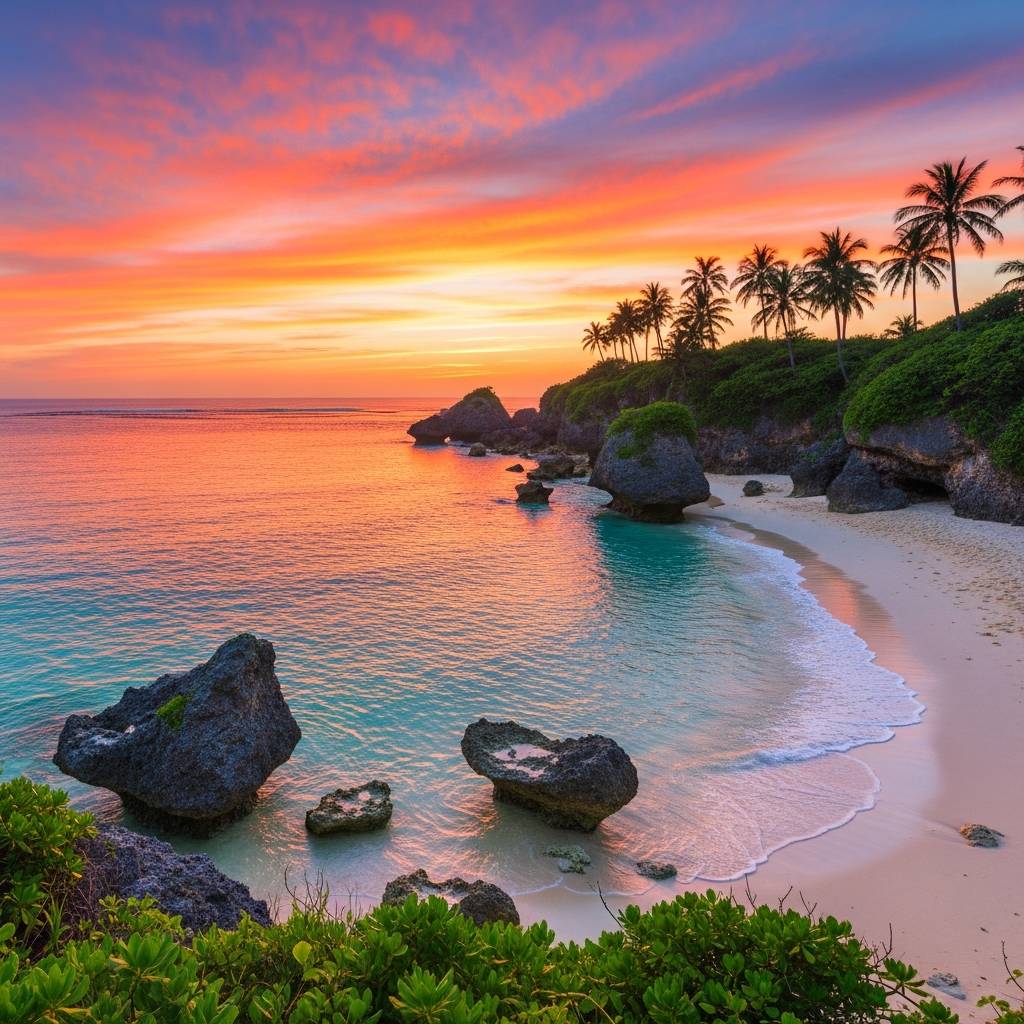
Okinawa’s Hidden Beach Paradises: Where Sunsets Kiss the Shore

19/12/2025

Have you ever dreamed of standing on pristine white sand, watching as golden sunlight melts into turquoise waters, far from crowding tourists? While Okinawa’s famous beaches attract millions of visitors annually, the true magic of this Japanese archipelago lies in its hidden coastal treasures that remain remarkably untouched. These secluded shores offer not just peace and tranquility, but sunset experiences that transform the sky into a canvas of spectacular colors that words simply cannot capture.

As someone who has explored Okinawa’s coastline extensively, I’m excited to share with you the beaches that locals cherish but rarely reveal to outsiders. From secret coves accessible only through forest trails to breathtaking sunset spots where the sky and sea perform their daily dance in perfect harmony, this guide will take you beyond the typical tourist experience. Whether you’re planning your first Okinawan adventure or returning to discover more of this paradise, prepare to discover beaches that will redefine your understanding of natural beauty and leave you with photographs and memories to treasure for a lifetime.

1. Discover Untouched Shores: 5 Secret Beaches in Okinawa That Tourists Haven’t Found Yet

Beyond the crowded sands of popular Okinawan beaches lies a world of pristine coastal treasures waiting to be discovered. While mainstream tourists flock to Manza Beach and Emerald Beach, true paradise seekers understand that Okinawa’s real magic lies in its hidden shores. These secluded beaches offer not just privacy, but a genuine connection to the untamed beauty of Japan’s southernmost prefecture.

Maehama Beach on Miyako Island remains one of Okinawa’s best-kept secrets. With powdery white sand stretching for seven kilometers and crystal-clear waters in magnificent gradients of blue, this beach offers postcard-perfect scenery without the crowds. The shallow, calm waters make it ideal for families, while the lack of commercial development preserves its natural charm.

On the northern tip of the main island, Okuma Beach presents a tranquil alternative to busier shores. Protected by a coral reef, its waters offer exceptional snorkeling opportunities where you’ll encounter vibrant marine life including parrotfish and sea turtles. The nearby Cape Hedo provides dramatic cliff views that few tourists ever witness.

For those willing to venture further, Hatenohama Beach on Kume Island presents a dream-like sandbar that appears to float in the middle of the ocean. Accessible only by boat tour, this uninhabited stretch of white sand surrounded by turquoise waters feels like your own private island paradise. The limited daily tours maintain its unspoiled nature.

Ara Beach on Miyakojima combines dramatic rock formations with serene waters. This photogenic cove features natural stone arches and caves that create frame-worthy sunset views. Local fishermen still launch their boats from this traditional spot, offering glimpses into authentic Okinawan coastal life.

Perhaps the most magical of all hidden beaches is Yurigahama, a phantom sand bar that appears and disappears with the tides near Yoron Island. Visible only during low tide, this ethereal beach materializes like a mirage in the azure sea, offering visitors a truly rare experience. The star-shaped sand (actually tiny fossilized organisms) found here makes it even more special.

These hidden coastal gems represent the true essence of Okinawa – natural, unspoiled, and breathtakingly beautiful. By venturing beyond the tourist trail, you’ll discover not just stunning landscapes but also a deeper connection to the authentic spirit of these islands.

2. Beyond the Postcards: Experiencing Okinawa’s Magical Sunset Beaches Like a Local

While tourists flock to Okinawa’s popular beaches like Emerald Beach and Manza Beach, the true magic of this Japanese paradise lies in its lesser-known coastal gems. These hidden beaches offer not just breathtaking sunsets but authentic experiences far from the crowds.

Kouri Beach on Kouri Island connects to the main island by a picturesque bridge spanning crystal-clear waters. Arriving about two hours before sunset rewards you with the perfect spot to witness the sun painting the sky in vibrant oranges and purples. Local fishermen often return with their catches during this golden hour, creating postcard-worthy silhouettes against the setting sun.

For those seeking solitude, Hatenohama Beach on Kume Island requires a boat trip, but the journey proves worthwhile. This nearly 7-kilometer sandbar surrounded by turquoise waters offers unobstructed sunset views with no buildings or structures to disrupt the horizon. Bring a small picnic and stay until the stars emerge over the East China Sea—a truly magical experience few tourists ever witness.

Sunayama Beach in Miyako Island features a natural stone arch that frames the sunset perfectly. Locals recommend arriving on weekdays when you might have this photogenic spot entirely to yourself. The small cave formations along the shoreline create fascinating light plays during the golden hour.

Azama Sunsun Beach in southern Okinawa main island remains relatively unknown to international tourists despite its calm waters and spectacular sunsets. The nearby Azama fishing port offers freshly caught seafood, which local restaurants like Umi no Shokudo transform into delicious dinners—perfect for after your sunset viewing.

When visiting these beaches, respect the local customs. Many Okinawans consider beaches sacred spaces, particularly at sunset. Keep voices low, avoid leaving trash, and always ask permission before photographing locals. Some beaches host traditional Okinawan ceremonies during specific seasons, offering glimpses into the island’s rich spiritual heritage.

Unlike the structured beach experiences of mainland Japan, Okinawa’s beach culture embraces a relaxed pace. Bring a small towel to sit on, water to stay hydrated, and insect repellent for the post-sunset moments when mosquitoes emerge. Waterproof sandals help navigate the occasionally rocky shores of these hidden gems.

The true magic of Okinawa’s sunset beaches comes from embracing “uchinānchu time”—the islanders’ approach to experiencing moments fully without rushing. Put away your phone after taking just a few photos, and allow yourself to be present as the day transforms into night over these spectacular shores.

3. The Ultimate Guide to Okinawa’s Most Photogenic Beach Spots for Breathtaking Sunset Views

Capturing the perfect sunset in Okinawa transforms ordinary beach visits into magical experiences. For photographers and sunset enthusiasts, these pristine locations offer unparalleled views where the golden hour truly shines. Nishihama Beach on Hateruma Island stands out with its powdery white sand creating a stunning contrast against the deepening colors of twilight. The southernmost point of Japan delivers sunsets that seem to set the entire horizon ablaze.

Sunabe Seawall in Chatan offers a different perspective, with coral formations visible during low tide creating natural frames for sunset photographs. Local photographers recommend arriving 45 minutes before the official sunset time to secure prime shooting locations along this popular stretch. The silhouettes of distant islands enhance the composition of any sunset capture here.

For those seeking dramatic landscapes, Manza Beach near the ANA InterContinental Manza Beach Resort provides spectacular cliff views. The unique rock formations create shadow play during sunset that professional photographers travel specifically to capture. The beach’s western-facing position makes it ideal for watching the sun sink directly into the East China Sea.

Cape Manzamo presents another breathtaking option with its elephant trunk-shaped rock formation becoming a striking silhouette against the setting sun. Visitors should note that while the viewing platform gets crowded, walking just 100 meters north reveals equally magnificent vantage points with fewer people. The dynamic interplay between the rugged coastline and gentle waves makes this location particularly photogenic.

Sunset Beach in Mihama American Village combines natural beauty with convenient amenities. The reflection of pastel skies against shallow tide pools creates mirror-like effects perfect for photography. The nearby ferris wheel illuminates as darkness falls, offering unique composition opportunities that blend nature with modern elements. Many local Instagram influencers consider this the most versatile sunset photography location on the main island.

Timing is everything for Okinawa sunset photography. The golden hour typically begins 30-40 minutes before the actual sunset, with the most vibrant colors appearing 10-15 minutes after the sun dips below the horizon. Bringing a tripod is essential for capturing the subtle color transitions during this magical time when Okinawa’s beaches transform into natural galleries of light and shadow.

For rental car reservations in Okinawa, visit “RENT A CAR HIROBA”
Make the best memories of your trip at the rental car plaza!
Click here to reserve a rental car ↓
・Cheap rental cars in Okinawa are at the lowest price starting from 1,500 yen. Rent-a-car Hiroba is recommended for reservations and comparisons.
https://rentacar-hiroba.com/

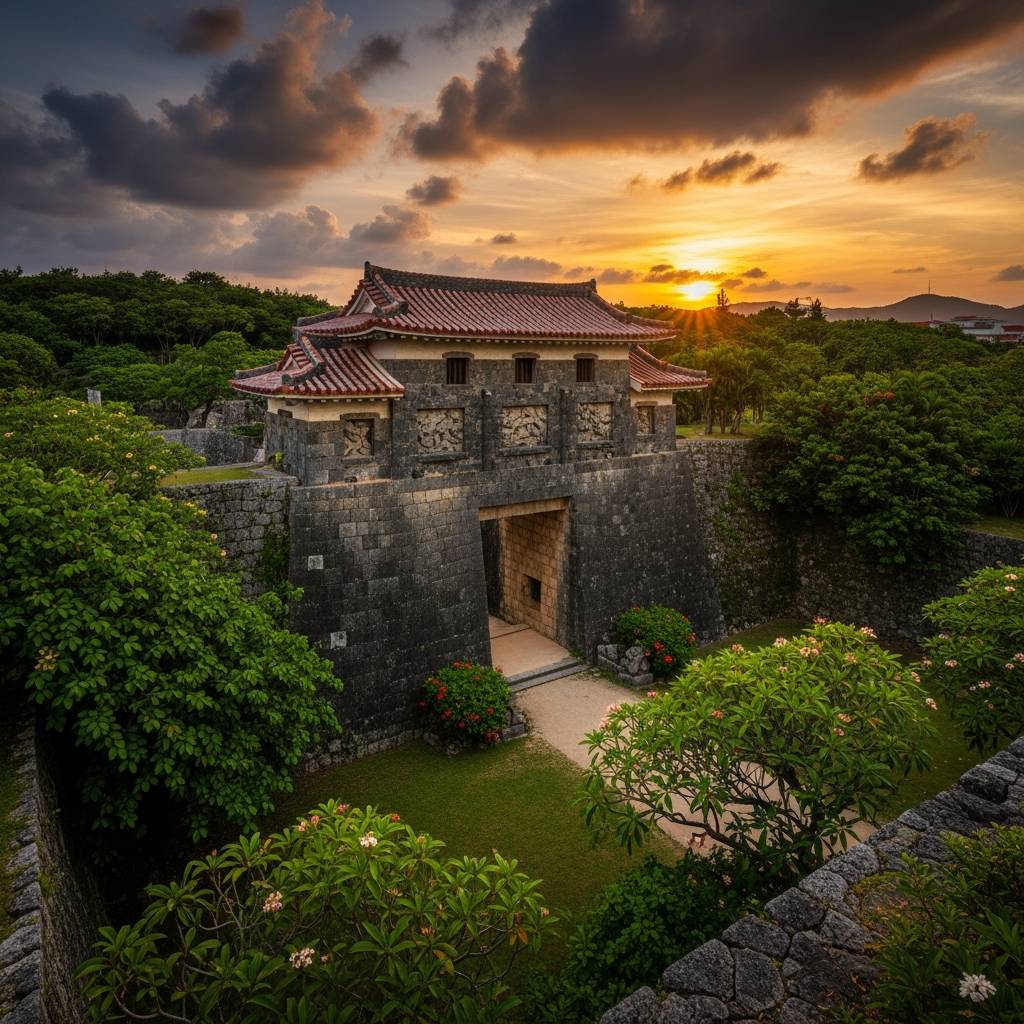
Sacred Ryukyu: Traveling Through Okinawa’s World Heritage History

18/12/2025

Are you planning your next journey to Japan but looking beyond the typical Tokyo-Kyoto route? Discover the enchanting world of Okinawa’s cultural heritage—a treasure trove of ancient castles, sacred sites, and royal monuments that tell the fascinating story of the once-independent Ryukyu Kingdom. While many travelers know Okinawa for its pristine beaches and crystal-clear waters, the island prefecture harbors centuries of rich history waiting to be explored. From the majestic stone walls of Shuri Castle to the mysterious power spots of traditional sacred groves, Okinawa’s UNESCO World Heritage sites offer a glimpse into a distinct cultural identity shaped by influences from China, Southeast Asia, and mainland Japan. This comprehensive guide will take you through the most significant historical landmarks across the Okinawan archipelago, revealing hidden gems that many visitors miss and providing practical tips to make your cultural exploration both meaningful and memorable. Whether you’re a history enthusiast, a photography lover, or simply seeking authentic travel experiences, join us on this journey through time to discover the spiritual and royal legacy of the Ryukyu civilization.

1. Unveiling the Ancient Treasures: A Complete Guide to Okinawa’s UNESCO World Heritage Sites

Okinawa’s cultural landscape tells a story unlike any other in Japan. The island prefecture, once the independent Ryukyu Kingdom, houses remarkable UNESCO World Heritage sites that offer visitors a glimpse into its fascinating past. These sites, collectively known as “Gusuku Sites and Related Properties of the Kingdom of Ryukyu,” were inscribed on the World Heritage List in December 2000, recognizing their outstanding universal value.

Shuri Castle stands as the crown jewel among these treasures. This vermilion palace once served as the royal court and administrative center of the Ryukyu Kingdom for over 400 years. Though the main buildings were tragically lost in a fire, restoration work continues, and visitors can still explore the magnificent stone walls, gates, and gardens that reflect the kingdom’s unique architectural style—a fascinating blend of Chinese, Japanese, and indigenous Ryukyuan influences.

Beyond Shuri Castle, Nakijin Castle offers equally impressive historical insights. These massive stone walls, stretching over 1.5 kilometers, protected the northern kingdom during the Three Kingdoms period of Okinawan history. The site provides breathtaking panoramic views of the East China Sea, particularly stunning during early February when cherry blossoms transform the ruins into a pink wonderland.

Zakimi Castle in Yomitan represents another engineering marvel with its perfectly cut stones assembled without mortar—a testament to the sophisticated masonry techniques of 15th-century Ryukyu. The castle walls follow the natural contours of the hill, creating an organic fortification that has withstood centuries of typhoons.

For spiritual exploration, Seifa Utaki represents the most sacred site in indigenous Ryukyuan religion. This natural formation of limestone rocks and lush forest served as the primary place of worship for the kingdom’s priestesses. Walking through its stone pathways and prayer spaces offers a profound connection to the animistic traditions that still influence Okinawan culture today.

When planning your heritage journey, consider visiting during weekday mornings to avoid crowds. The Okinawa Monorail (Yui Rail) provides convenient access to Shuri Castle, while rental cars are recommended for exploring the more remote sites. The comprehensive “Heritage Pass” offers admission to all major UNESCO sites at a discounted rate and is available at any of the locations.

Each site tells a different chapter of Ryukyu’s story—from its strategic importance along ancient maritime trade routes to its unique religious practices and political structures. Together, they present a cultural landscape where Eastern and Western influences merged into something entirely distinct, creating the foundation for Okinawa’s enduring cultural identity.

2. Sacred Stones and Royal Tombs: 10 Must-Visit Historical Sites in Ryukyu Kingdom

The ancient Ryukyu Kingdom’s spiritual and political legacy lives on through its remarkable historical sites scattered across Okinawa. These sacred locations offer travelers a profound glimpse into a unique island culture that flourished through international trade and distinctive spiritual practices. Here are ten essential historical sites that showcase the rich tapestry of Ryukyuan heritage, each telling a story of royal power, indigenous beliefs, and cultural resilience.

Shuri Castle (首里城) stands as the crown jewel of Ryukyuan architecture, despite its repeated reconstruction after war damage. This UNESCO World Heritage site served as the political and cultural center of the kingdom for over 400 years. The vibrant vermilion structures contrast dramatically with mainland Japan’s subdued temple aesthetics, reflecting Chinese and Southeast Asian influences through elaborately carved dragon pillars and distinctive curved rooflines.

Tamaudun Royal Mausoleum (玉陵) near Shuri Castle housed the remains of Ryukyuan royalty for centuries. This stone mausoleum complex features three distinct chambers: the central vault for kings, the eastern chamber for queens and royal children, and the western chamber where remains were prepared through the traditional bone-washing ritual known as “senkotsu.”

Sonohyan-utaki Stone Gate (園比屋武御嶽石門) represents the kingdom’s unique spiritual practices. This sacred gate marked the entrance to a royal prayer site where kings would worship before journeys. The intricately carved coral limestone structure demonstrates the seamless integration of political and religious authority in Ryukyuan society.

Nakijin Castle (今帰仁城) in northern Okinawa stands as a testament to the earlier kingdoms that preceded unified Ryukyu rule. Its massive limestone walls, built without mortar yet standing for centuries, showcase remarkable engineering skills. The castle becomes particularly enchanting during cherry blossom season when pink flowers contrast against ancient gray stones.

Sefa-utaki (斎場御嶽), the most sacred site in traditional Okinawan religion, features natural rock formations believed to connect the mortal and divine worlds. Located in southern Okinawa, priestesses conducted rituals here, and its triangular spiritual opening toward Kudaka Island (believed to be the birthplace of Okinawan culture) still evokes profound reverence among visitors.

Zakimi Castle (座喜味城) showcases the remarkable stonework of master craftsman Gosamaru. Its precisely fitted stones create defensive walls that have withstood centuries of typhoons and warfare, offering panoramic views of the surrounding countryside and demonstrating advanced military engineering.

Katsuren Castle (勝連城) sits dramatically on a limestone ridge overlooking the East China Sea. Archaeological excavations here revealed Portuguese coins and Chinese artifacts, confirming historical accounts of Ryukyu’s extensive maritime trade networks connecting East and Southeast Asia.

Tamagusuku Castle (玉城城) ruins offer some of the island’s most spectacular coastal views. This strategic fortress controlled important agricultural lands and coastal access, with its remaining stone foundations revealing the kingdom’s sophisticated understanding of defensive positioning.

Urasoe Yodore (浦添ようどれ) serves as the ancient royal tombs predating the unified Ryukyu Kingdom. These cave-like chambers carved into limestone cliffs housed the remains of early kings and continue to be sites of spiritual significance for local communities.

Nakagusuku Castle (中城城), another masterpiece attributed to Gosamaru, features multiple baileys and sophisticated defensive designs. Its architectural complexity earned recognition from a visiting Chinese envoy who declared it a masterwork of castle construction. Today, visitors can wander through its remarkably preserved stone corridors while contemplating the strategic genius behind its layout.

These ten historical sites offer more than mere tourist attractions—they provide windows into a distinctive island civilization that maintained its unique cultural identity despite powerful external influences. By exploring these sacred stones and royal tombs, travelers connect with the enduring spirit of the Ryukyu Kingdom, whose cultural legacy continues to shape Okinawan identity today.

3. Beyond the Beaches: Exploring Okinawa’s Spiritual Heritage and Forgotten Castles

While Okinawa’s pristine beaches often steal the spotlight, the island’s true cultural treasures lie inland among ancient stone castles and sacred groves. The UNESCO-designated gusuku sites represent the sophisticated Ryukyu Kingdom civilization that flourished between the 12th and 17th centuries, offering visitors a profound connection to a unique cultural heritage that differs markedly from mainland Japan.

Shuri Castle, though tragically damaged by fire, remains the crown jewel of Okinawa’s historical landscape. Its vermilion facades and distinctive architectural style blend Chinese, Japanese, and indigenous Ryukyuan elements, creating a visual testament to the kingdom’s role as a cultural crossroads. The castle’s ongoing restoration allows visitors to witness living history as craftspeople employ traditional techniques to rebuild this symbol of Okinawan identity.

Less frequented but equally compelling are sites like Nakijin Castle, whose massive limestone walls snake across a forested hillside offering panoramic ocean views. The spring cherry blossoms here bloom earlier than anywhere else in Japan, creating a magical landscape where pink petals contrast against ancient gray stone. Nearby, Zakimi Castle’s well-preserved walls demonstrate the impressive engineering skills of master stonemason Gosamaru, whose legacy is visible across multiple gusuku sites.

Okinawa’s spiritual landscape is equally captivating. Utaki, sacred forest groves, dot the island, serving as places of worship in the indigenous animistic faith. Sefa Utaki, the most significant of these sites, features natural stone formations that create cathedral-like spaces where priestesses once conducted ceremonies. Walking through its paths, visitors often describe a palpable sense of reverence that transcends religious boundaries.

For those seeking deeper understanding, the recently expanded Okinawa Prefectural Museum in Naha offers comprehensive exhibits on Ryukyuan culture, including artifacts recovered from castle sites and displays explaining the complex belief systems that shaped Okinawan spirituality. The museum provides crucial context that enhances visits to the historical sites themselves.

Local guides with ancestral connections to these sacred places offer invaluable insights unavailable in guidebooks. Companies like Okinawa Cultural Heritage Tours employ guides trained in both historical knowledge and traditional storytelling techniques, creating immersive experiences that connect visitors to the island’s soul beyond its surface beauty.

For photography enthusiasts, these historical sites offer compelling subjects beyond the typical beach shots. The dramatic play of light through Sefa Utaki’s stone formations and the geometric patterns of castle walls against tropical vegetation provide unique opportunities for memorable images. Morning visits are recommended not just to avoid crowds but to capture the golden light that transforms these ancient stones.

Okinawa’s cultural heritage sites tell a story of resilience through centuries of trade, war, and cultural exchange. By venturing beyond the beaches to explore these sacred places, travelers gain a deeper appreciation of the Ryukyu Kingdom’s legacy and its continued influence on modern Okinawan identity—a journey through time that complements perfectly the natural paradise that first draws visitors to these shores.

For rental car reservations in Okinawa, visit “RENT A CAR HIROBA”
Make the best memories of your trip at the rental car plaza!
Click here to reserve a rental car ↓
・Cheap rental cars in Okinawa are at the lowest price starting from 1,500 yen. Rent-a-car Hiroba is recommended for reservations and comparisons.
https://rentacar-hiroba.com/
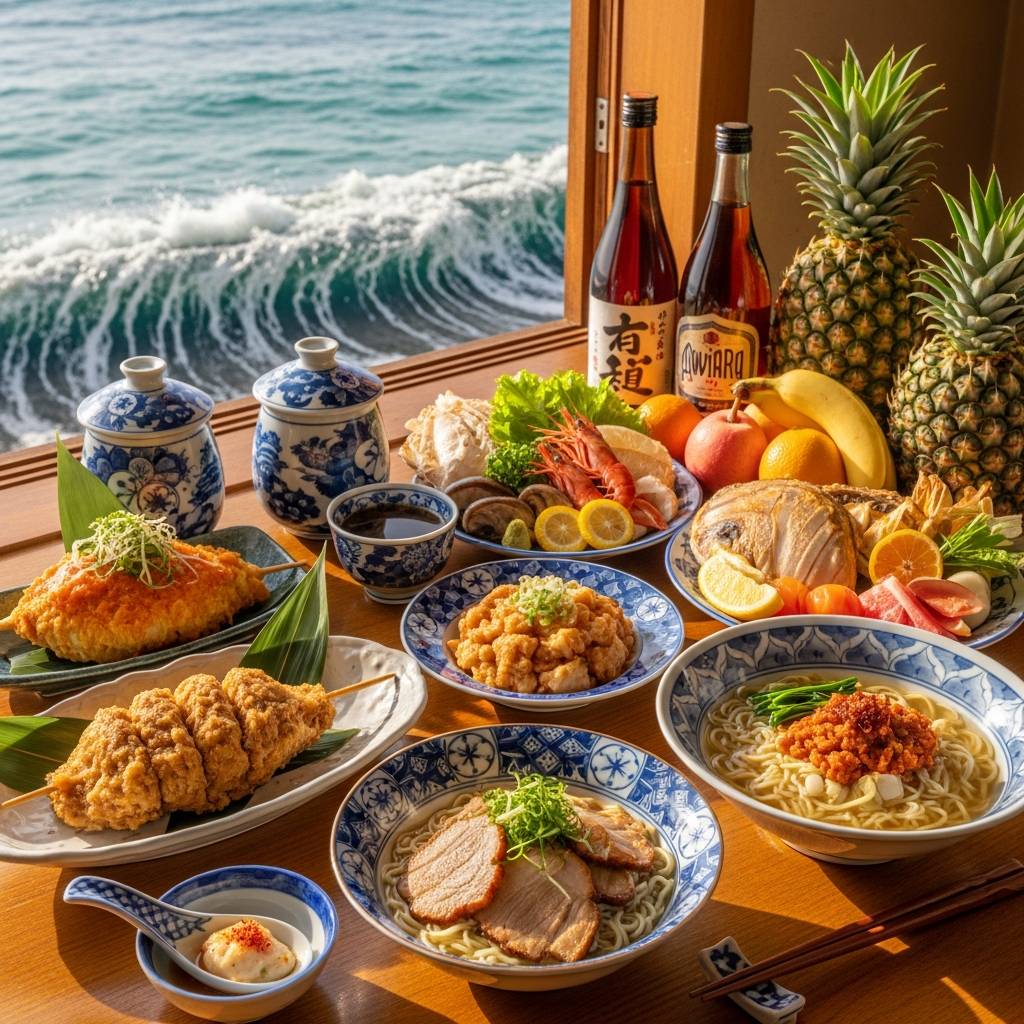
Okinawa’s Underwater Wonders: Planning Your Sea Adventure with a Rental Car

17/12/2025

Are you dreaming of crystal-clear turquoise waters, vibrant coral reefs, and encounters with exotic marine life? Look no further than Okinawa, Japan’s tropical paradise, where some of the world’s most spectacular underwater landscapes await your discovery. While many travelers limit themselves to popular tourist spots, the true magic of Okinawa lies in its hidden coastal treasures—many accessible only with the freedom a rental car provides.

As someone who has extensively explored this island’s underwater wonders, I can attest that having your own vehicle transforms your Okinawa diving or snorkeling experience from ordinary to extraordinary. With a rental car, you’re not bound by tour schedules or crowded tourist buses—instead, you can chase the perfect water conditions, reach secluded beaches before the crowds, and create a personalized sea adventure that matches your dreams.

In this comprehensive guide, we’ll journey through Okinawa’s best-kept underwater secrets, provide detailed driving routes to remote diving havens, and share expert tips for combining the convenience of a rental car with unforgettable marine experiences. Whether you’re an experienced diver or a curious snorkeler, this article will help you navigate Okinawa’s coastal paradise like a local.

Prepare to dive into an adventure where the journey above water becomes as memorable as the discoveries beneath the waves!

1. Top 10 Hidden Underwater Paradises in Okinawa Only Accessible with a Rental Car

Okinawa’s crystal-clear waters hide some of Japan’s most spectacular marine ecosystems, but the most breathtaking spots often lie far from public transportation routes. With a rental car from companies like OTS Rent-a-Car or Times Car Rental, you gain the freedom to explore these hidden underwater paradises at your own pace. Here are the top 10 secluded snorkeling and diving locations that most tourists never discover:

1. Miyagi Blue Cave – Located on Miyagi Island, this luminescent blue grotto requires a 20-minute drive from the nearest bus stop. The cave’s entrance sits just 5 meters below the surface, making it accessible for snorkelers and beginner divers alike. The ethereal blue light filtering through the water creates a magical atmosphere as you swim alongside vibrant tropical fish.

2. Maeda Point – While the entry point is somewhat known, having a rental car allows you to arrive early morning before tour buses, giving you pristine visibility and private access to the underwater archways and coral gardens teeming with sea turtles and reef sharks.

3. Odo Beach – This hidden gem on Okinawa’s east coast offers spectacular shallow reef exploring without the crowds. The parking area can only accommodate about 15 cars, ensuring an intimate experience as you discover the vibrant coral gardens just offshore.

4. Cape Manzamo’s Secret Cove – Most visitors only see the elephant-shaped rock formation, but a short hike down from the private parking area reveals a protected cove with exceptional snorkeling opportunities among coral formations and schools of tropical fish.

5. Sesoko Beach’s Western Edge – Drive across Sesoko Bridge and head to the less-visited western shoreline where pristine coral reefs remain untouched by mass tourism. The shallow entry point makes this ideal for families and beginning snorkelers.

6. Aka Island’s Coral Gardens – After driving to Tomari Port and taking the ferry with your rental gear, explore the fluorescent coral forests surrounding this Kerama Island. Having your own transportation means you can catch the earliest ferry and beat the crowds.

7. Minna Island’s Underwater Caves – Only accessible via a combined drive and short boat trip, these hidden grottos shelter rare marine species and coral formations rarely photographed by mainstream tourists.

8. Hedo Point Drift Dive – At Okinawa’s northernmost tip, this remote location rewards drivers with an exhilarating drift dive experience where currents carry you past dramatic underwater cliff faces covered in soft corals.

9. Yonaha Maehama Beach’s Far Shore – While the main beach attracts crowds, having a rental car lets you access the far eastern edge where extensive coral gardens stretch hundreds of meters offshore with virtually no other visitors.

10. Kumejima’s Underwater Hot Springs – This remote spot requires driving to Tomari Port, taking a ferry to Kumejima Island, then driving to the eastern shore where underwater hot springs create a unique diving environment with unusual marine life adaptations.

Each of these locations offers parking areas that are often too limited for tour buses, making them accessible primarily to travelers with rental cars. Pack your underwater camera, reef-safe sunscreen, and prepare for marine encounters that most Okinawa visitors never experience!

2. Ultimate Guide: Exploring Okinawa’s Secret Beaches and Dive Spots with Your Rental Vehicle

Okinawa’s coastline hides countless treasures that most tourists never discover. With a rental car, you gain the freedom to explore these hidden gems at your own pace. The island’s remote beaches and world-class dive spots become your personal playground when you have reliable transportation.

For snorkeling enthusiasts, Maeda Point offers crystal clear waters with visibility extending up to 30 meters on good days. Park your rental car at the convenient lot just above the entry point, where you’ll find restrooms and rental equipment available. The underwater limestone formations and diverse marine life make this a must-visit location.

Cape Manzamo’s nearby coves provide secluded snorkeling spots accessible only by those with private transportation. Drive past the main tourist viewing area and follow the smaller roads leading to parking areas that most tour buses simply cannot reach.

Diving aficionados should set their GPS for Onna Village, where some of Japan’s best dive sites await. With your rental vehicle, you can easily transport your gear between multiple dive locations in a single day – something impossible with public transportation. Times Beach and Mission Point offer diverse underwater topography with caves, swim-throughs, and an abundance of marine life.

For those seeking truly untouched spots, drive to Okinawa’s northern region. Beaches like Okuma and Sesoko Island offer pristine conditions without the crowds found at more accessible locations. Your rental car allows you to time your visits during optimal conditions, perhaps arriving early morning before other visitors or staying until sunset when the lighting creates magical underwater scenes.

When planning your itinerary, cluster dive sites by location to maximize efficiency. The west coast spots from Onna to Motobu Peninsula can be explored in one day, while the eastern shoreline deserves its own dedicated expedition. Always check tide tables and weather forecasts before setting out, as conditions can change rapidly.

Most rental cars in Okinawa provide sufficient trunk space for dive gear, but consider upgrading to a mid-size or larger vehicle if traveling with multiple sets of equipment. Some rental companies offer specialized packages that include roof racks for surfboards or extra space for bulky dive gear.

Remember to bring a waterproof case for your car key, as many beaches lack secure storage facilities. Never leave valuables visible in your parked vehicle, even at seemingly safe locations. Most diving hotspots have designated parking areas, though they may fill quickly during peak season.

By combining the freedom of a rental car with Okinawa’s underwater wonders, you’ll experience the island’s marine environment in ways package tourists simply cannot. The best memories often come from those spontaneous detours to beaches you discover while driving along coastal roads, where perfect snorkeling conditions and empty shores await the adventurous traveler.

3. From Blue Caves to Coral Reefs: The Perfect Okinawa Diving Itinerary with Rental Car Convenience

Okinawa’s underwater realm offers some of the most spectacular diving and snorkeling experiences in Asia, with crystal-clear waters hosting vibrant coral reefs, mysterious caves, and abundant marine life. Having a rental car transforms your diving adventure by providing the freedom to explore multiple dive sites across the island at your own pace. Here’s the ultimate diving itinerary for making the most of Okinawa’s underwater wonders with the convenience of your own vehicle.

Begin your underwater journey at the legendary Blue Cave near Cape Maeda in central Okinawa. Arriving early (before 8:00 AM) helps you avoid the crowds that gather at this popular spot. The ample parking available makes this easily accessible with your rental car. The cave’s ethereal blue glow, created when sunlight reflects through the water, provides a magical swimming and snorkeling experience even for beginners.

Next, drive approximately 30 minutes south to the Sunabe Seawall in Chatan, a favorite among local divers for its easily accessible reef system. Park your car along the seawall and enjoy shore diving at various entry points. The northern section offers spectacular coral formations while the middle and southern areas feature dramatic drop-offs where you might spot sea turtles, eagle rays, and schools of tropical fish.

For a more remote experience, head to Manza Dream Hole near Cape Manzamo. This underwater cave system requires some hiking from the parking area, but having your rental car means you can bring all your gear directly to this less-crowded location. The series of chambers and tunnels with dramatic light effects makes this a photographer’s paradise.

In southern Okinawa, don’t miss the opportunity to visit Minna Island, accessible via a ferry from Toguchi Port. You can drive to the port, leave your car in the secure parking lot, and return to it after a day of exploring the pristine coral gardens surrounding this small island. The shallow waters make it perfect for snorkelers and novice divers.

For experienced divers, the Kerama Islands offer world-class diving with visibility often exceeding 30 meters. Drive to Tomari Port in Naha, where you can park your rental car for the day while taking a ferry to islands like Zamami or Tokashiki. The benefit of having your rental car means you can easily transport all your diving equipment to the port and back to your accommodation.

Between dive sites, your rental car allows for efficient dry time while exploring Okinawa’s coastal attractions. Visit the Churaumi Aquarium to learn about the marine life you’ve encountered, stop at seaside restaurants for fresh seafood, or relax at hidden beaches that are inaccessible by public transportation.

For those seeking a multi-day diving adventure, consider driving north to Motobu Peninsula and then taking a boat to Ie Island for drift diving along its dramatic walls, or south to explore the artificial reefs near Yomitan. With proper planning of your surface intervals, you can safely visit 2-3 dive sites per day thanks to the mobility your rental car provides.

Many dive shops in Okinawa offer equipment rental and guided experiences, but having your own transportation means you’re not limited to their schedules or locations. Companies like Reef Encounters in Chatan and Marine Club Isomaru in Onna provide services for divers with their own transportation.

Remember to plan your diving schedule with your flight departure time in mind, allowing at least 24 hours between your last dive and your flight for safety. Your rental car makes this easier by giving you the flexibility to enjoy land-based activities during this waiting period.

With the freedom of a rental car and the incredible diversity of underwater environments, Okinawa offers a diving experience that can be perfectly tailored to your interests, skill level, and schedule – making it a premier destination for underwater enthusiasts from around the world.

For rental car reservations in Okinawa, visit “RENT A CAR HIROBA”
Make the best memories of your trip at the rental car plaza!
Click here to reserve a rental car ↓
・Cheap rental cars in Okinawa are at the lowest price starting from 1,500 yen. Rent-a-car Hiroba is recommended for reservations and comparisons.
https://rentacar-hiroba.com/

The Foodie’s Guide to Navigating Okinawa’s Extraordinary Culinary Scene

16/12/2025

Are you planning a trip to Japan’s tropical paradise? Beyond Okinawa’s pristine beaches and crystal-clear waters lies a culinary landscape as diverse and captivating as its natural beauty. This sun-kissed archipelago boasts one of the world’s most fascinating food cultures – a unique fusion of Japanese traditions with Chinese, Southeast Asian, and American influences, shaped by centuries of maritime trade and complex history.

As a passionate food explorer who has traversed Okinawa’s culinary landscape extensively, I’m thrilled to share insider knowledge that will transform your dining experience from merely satisfactory to absolutely unforgettable. Whether you’re seeking hidden local eateries that tourists rarely discover, longevity-boosting traditional foods that contribute to Okinawa’s famous centenarian population, or the freshest seafood experiences that will redefine your standards forever, this comprehensive guide has you covered.

Prepare to embark on a gastronomic journey that goes beyond the usual tourist trail. The flavors, techniques, and dining customs of Okinawa tell a story that’s waiting for you to discover. Let your taste buds be your guide as we explore the extraordinary culinary treasures of Japan’s southernmost prefecture.

1. 10 Hidden Food Gems in Okinawa That Locals Don’t Want You to Know About

Okinawa’s culinary landscape is a treasure trove of flavors that extends far beyond the tourist-packed restaurants in Naha. While visitors flock to well-known establishments, true food enthusiasts understand that the most authentic experiences lie hidden in plain sight. These secret spots, cherished by locals, offer the genuine tastes of Okinawa that you won’t find in guidebooks.

In the backstreets of Makishi Market, Yunangi serves up traditional Okinawan pork dishes that have been perfected over three generations. Their rafute (braised pork belly) melts in your mouth with a perfect balance of sweet and savory that will haunt your food memories for years to come.

For seafood aficionados, Umichika in Itoman offers the freshest catch prepared with minimal intervention. Their sea grapes (umi-budo) and local fish sashimi showcase the pure flavors of Okinawa’s surrounding waters without unnecessary frills.

Hidden in Yomitan village, Cafe Garamanjyaku serves an unforgettable fusion of Okinawan and Western cuisine. Their goya (bitter melon) pasta combines local ingredients with Italian cooking techniques, creating a dish that represents Okinawa’s evolving food culture.

If you’re seeking authentic Okinawan soba, bypass the tourist traps and head to Kishimoto Shokudo in Motobu. This family-run establishment has been serving their secret-recipe broth for decades, with handmade noodles that have the perfect chew.

The unassuming Emi no Mise in Nago offers home-style Okinawan cooking that will transport you to a local grandmother’s kitchen. Their jimami tofu (peanut tofu) and champuru (stir-fried dishes) represent the soul of Okinawan home cooking.

For dessert enthusiasts, Okashi Goten’s lesser-known competitor, Chinsuko Honpo, creates artisanal versions of Okinawa’s famous shortbread that outshine the mass-produced varieties in taste and texture.

Tucked away in Uruma City, Ryukyu Dining Muchi Muchi specializes in ancient Ryukyuan royal cuisine. Their carefully researched and beautifully presented dishes offer a culinary history lesson you can eat.

The tiny six-seat counter at Izakaya Tamagusuku in Nanjo serves Okinawan tapas-style dishes paired with locally produced awamori. Their pork ears in peanut sauce and island tofu are transcendent when accompanied by the perfect spirit.

On Kouri Island, Cafe Restaurant Sea Garden offers not just stunning ocean views but also specializes in dishes made with sea grapes and mozuku seaweed harvested just meters from their doorstep.

Finally, no hidden gems list would be complete without mentioning Ufuya in Nago, housed in a 130-year-old traditional Okinawan home. Their multi-course experience showcases rare island ingredients and cooking methods that are quickly disappearing even among local households.

These establishments represent the true heart of Okinawan cuisine—where tradition meets innovation, where simplicity highlights extraordinary ingredients, and where the island’s complex cultural history is expressed through every bite.

2. Eating Like an Okinawan Centenarian: The Secret Foods Behind the World’s Longest Lifespan

Okinawa’s Blue Zone status isn’t accidental—it’s directly linked to the traditional diet that has helped islanders live well into their 100s with remarkable health. The Okinawan approach to eating offers valuable lessons for those seeking longevity through food choices.

At the heart of the centenarian diet is the “nuchi gusui” philosophy—believing that food is medicine. Okinawans traditionally consume a plant-based diet with over 30% of their intake coming from vegetables, particularly sweet potatoes (beni-imo), which have historically replaced rice as the staple carbohydrate. These purple powerhouses are rich in antioxidants and have a lower glycemic index than white rice or potatoes.

Goya (bitter melon) stands as another cornerstone of longevity cuisine. This knobby, bitter vegetable contains compounds that help regulate blood sugar and is prominently featured in “goya champuru,” a stir-fry combining tofu, eggs, and sometimes pork. Local restaurants like Yagi-san’s Champuru in Naha serve traditional versions that maintain authentic preparation methods.

Seaweed varieties including mozuku and kombu provide essential minerals and are consumed daily, often in soups or as side dishes. These sea vegetables deliver iodine, calcium, and iron while containing minimal calories.

What’s perhaps most notable is the Okinawan practice of “hara hachi bu”—eating until you’re 80% full. This natural portion control has been scientifically linked to reduced oxidative stress and enhanced cellular repair. Combined with their consumption of fermented foods like awamori (rice liquor) and fermented tofu, Okinawans maintain healthy gut microbiomes well into old age.

Protein sources in traditional diets come primarily from fish, soy products, and occasional pork—with every part of the pig utilized respectfully. At Emi no Mise in Ogimi Village, visitors can taste authentic Okinawan dishes prepared by local women who’ve maintained traditional cooking methods for generations.

The most remarkable aspect of the Okinawan diet isn’t just what’s included but the mindful approach to eating. Meals are social events, eaten slowly and with gratitude—practices that modern nutritionists now recognize as crucial for proper digestion and satisfaction.

For visitors seeking to experience these longevity-promoting foods, farmers’ markets like Makishi Public Market offer fresh local produce, while restaurants such as Garamanjyaku serve contemporary dishes honoring traditional ingredients and preparation methods.

By incorporating these Okinawan dietary principles—emphasizing plants, practicing moderation, consuming fermented foods, and approaching eating mindfully—we might not just satisfy our culinary curiosity but potentially extend our healthy years as well.

3. From Sea to Table: The Ultimate Guide to Okinawa’s Fresh Seafood Experiences

Okinawa’s identity is intrinsically linked to the azure waters that surround this tropical paradise. The island’s seafood culture represents not just sustenance, but a profound connection to the ocean that has shaped local traditions for centuries. For culinary adventurers, Okinawa’s seafood scene offers an unparalleled journey of fresh, diverse, and uniquely prepared marine treasures.

At Makishi Fish Market in Naha, the heartbeat of Okinawa’s seafood trade pulses vibrantly. Vendors display everything from vibrant coral reef fish to massive tiger prawns. The market’s second-floor restaurants offer the ultimate interactive dining experience – select your catch downstairs and have it prepared to your specifications minutes later. The sashimi here transcends ordinary raw fish experiences; the tuna melts on your tongue while sea grapes (umibudo) provide a delightful oceanic pop.

Mozuku seaweed, a slippery, thin seaweed variety unique to Okinawan waters, appears in countless dishes. Rich in fucoidan, a compound studied for potential health benefits, this marine vegetable exemplifies how Okinawan seafood connects to the island’s renowned longevity. Try it in a vinegared sunomono salad for a refreshing appetizer that cleanses the palate.

Lobster lovers should venture to Onna Village’s seaside restaurants, where spiny Okinawan lobsters are often grilled with nothing more than a squeeze of local shikuwasa citrus. The simplicity allows the natural sweetness of the meat to shine. For authentic experiences, Yanbaru Fishing Cooperative in the northern region offers seasonal catches prepared by fishermen’s families.

Ishigaki Island deserves special mention for its famed Yaeyama soba topped with island-caught skipjack tuna. Meanwhile, the turquoise waters around Miyako Island yield some of Japan’s most prized shellfish, including giant clams (takakagai) often served as carpaccio with just a hint of wasabi.

For the adventurous palate, sea snake (irabu) soup represents one of Okinawa’s most distinctive delicacies. Traditionally believed to possess medicinal properties, this clear broth dish is found in specialized restaurants throughout the main island.

Timing your visit with local fishing seasons enhances the experience. Winter brings premium quality tuna, while summer sees an abundance of colorful reef fish. The annual releasing of fishing restrictions on Okinawa’s delectable rock oysters creates a frenzy among local gourmands.

Sustainable seafood practices are gaining momentum across the prefecture. Restaurants like Cafe Garamanjaku in Onna incorporate locally farmed fish in their innovative dishes, supporting conservation while maintaining the highest culinary standards.

True Okinawan seafood appreciation goes beyond just eating. Consider joining a traditional fishing excursion with local fishermen who still practice ancient techniques like tidal pool fish trapping or night fishing with gas lanterns. These immersive experiences provide context to the island’s maritime heritage that has sustained generations.

Whether you’re sampling the daily catch at a humble seaside shack or enjoying premium seafood courses at luxury establishments like The Terrace restaurant at The Busena Terrace Beach Resort, Okinawa’s seafood culture offers something for every preference and budget. The journey from sea to table is remarkably short here – ensuring freshness that few other destinations can match.

For rental car reservations in Okinawa, visit “RENT A CAR HIROBA”
Make the best memories of your trip at the rental car plaza!
Click here to reserve a rental car ↓
・Cheap rental cars in Okinawa are at the lowest price starting from 1,500 yen. Rent-a-car Hiroba is recommended for reservations and comparisons.
https://rentacar-hiroba.com/